
What Trades Education Can Look Like in Elementary School
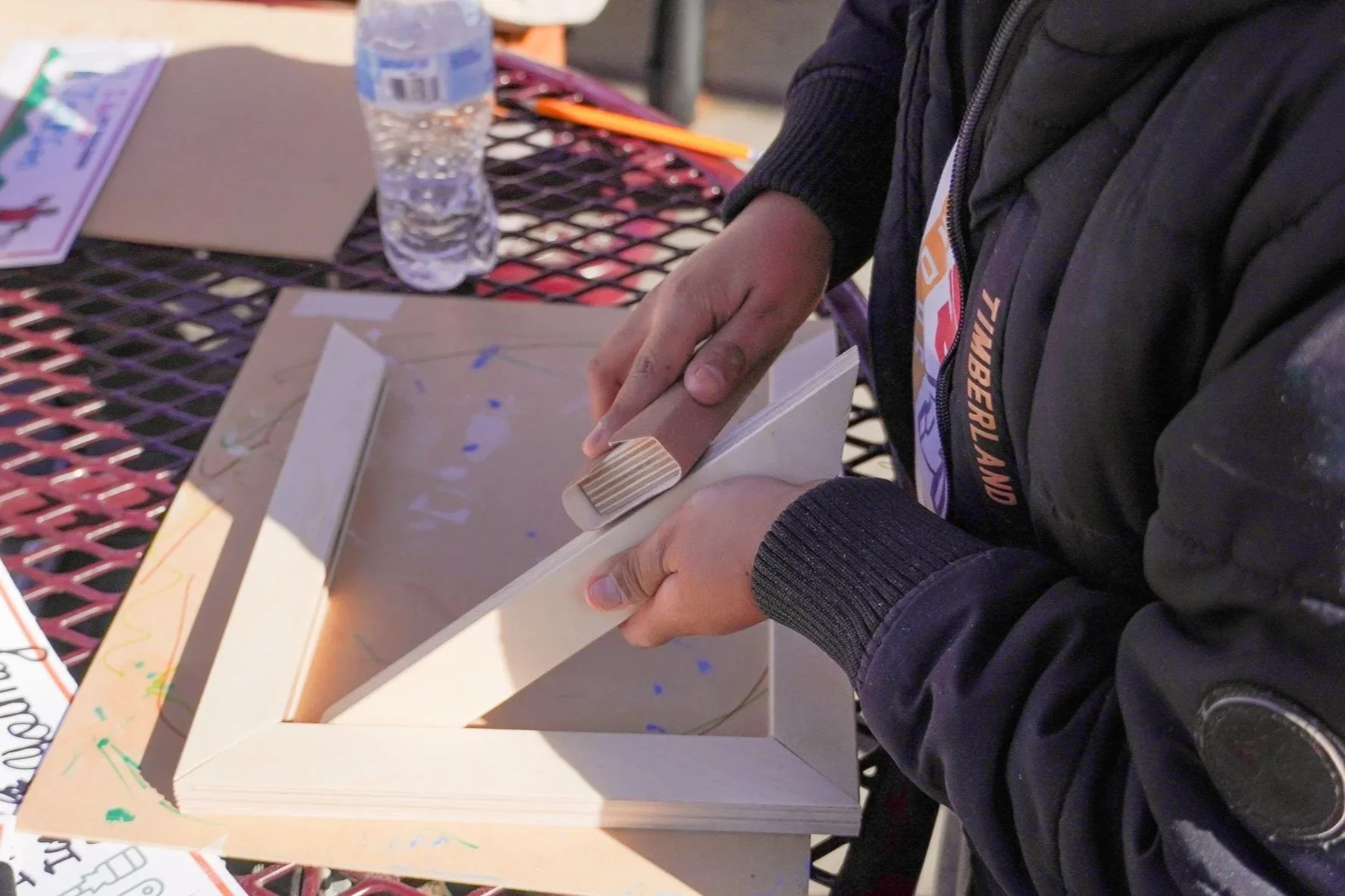
Integrating trades education into elementary school curriculum offers a unique opportunity to introduce young students to valuable skills and career paths. While career & technical education (CTE) is not typically introduced until high school, exposing early learners to these practical skills and industries strengthens the throughline between classroom learning, real-world application, and future career exploration. It serves to spark interest in practical, hands-on professions, fostering creativity, problem solving, and a deeper appreciation for skilled, technical work.
What is Career & Technical Education?
The California Department of Education defines career & technical education (CTE) as “A program of study that involves a multiyear sequence of courses that integrates core academic knowledge with technical and occupational knowledge to provide students with a pathway to postsecondary education and careers.” CTE prepares students for a wide variety of careers, including skilled trades such as construction, welding, auto mechanics, and electrical work.
Why it Matters
Introducing trades education at a young age benefits both students and employers.
Closing skills gap: A proprietary model by Associated Builders and Contractors proposed that in 2026, the construction industry will need to bring in 499,000 new workers. With many skilled workers retiring, skill gaps are widening. A 2025 article by the American Institute of Contractors states, retiring skilled trades workers “often possess decades of experience and technical expertise, which are difficult to replace quickly.”
Fostering practical skills: Trades programs move learning beyond the theoretical, emphasizing practical, hands-on skills like mastering tools and project completion. This experiential education builds competence and a real-world understanding of academic subjects like algebraic reasoning and geometric thinking. Students also develop essential soft skills valued by all employers, such as problem-solving, critical thinking, and teamwork.
Engaging diverse learners: Trades education broadens the definition of success. It validates diverse learners who may not thrive in traditional classrooms but excel in a kinesthetic environment. Trades training can also offer a more affordable and immediate entry to careers through apprenticeships and certifications, providing an equitable path to economic independence.
Reinforcing career-connected learning: Introducing trades concepts provides an ongoing practice of connecting classroom content to real careers, making academic subjects more relevant. When students see how geometry is used in contracting, the subject takes on new importance. This early exposure allows students to make more informed decisions about their post-secondary education or career trajectory.
Trades Education in Elementary School
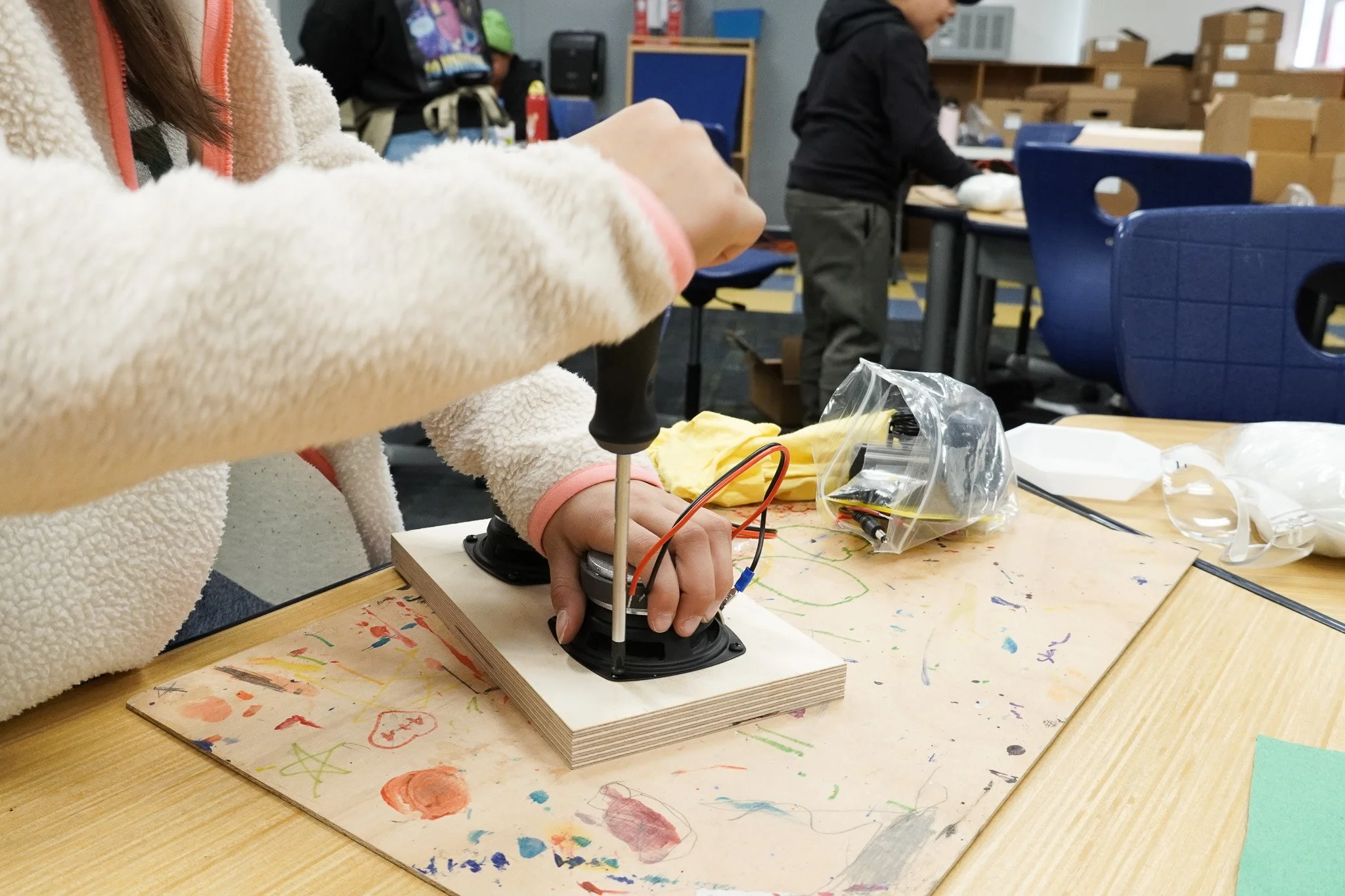
The integration of trades education and exposure into elementary education is a critical, yet often overlooked, component of student development. Rather than confining vocational exploration to high school or post-secondary education, introducing foundational concepts and real-world skills for students early on offers significant, long term benefits for children.
Why Early Exploration of Trades is Important
Fostering Practical Skills and Problem Solving: Elementary school students learn best through hands-on activities. Trades-related projects provide tangible problems that require critical thinking and real-world application of math and science concepts. This contrasts with theoretical instruction and helps students develop problem solving and essential fine motor skills. .
Destigmatizing and Valuing Skilled Trades: By showcasing the complexity, creativity, and necessity of skilled trades, schools can help combat the outdated stigma that positions these careers as "less than" academic professions. Introducing trades early ensures children develop a profound respect for the people who build and maintain our infrastructure, promoting an understanding of the valuable contribution these careers make to society.
Bridging the Skills Gap: Early exposure serves as the first step in creating a pipeline for talent. Given the growing national shortage of skilled workers, cultivating an interest in these fields while students are impressionable is vital for securing the economic future of communities.
Examples of Trades Exploration Activities in Elementary School
Construction and Building: In elementary school, learning about construction can include exploration of structural integrity, design, and material use. Some activities to explore construction and building include:
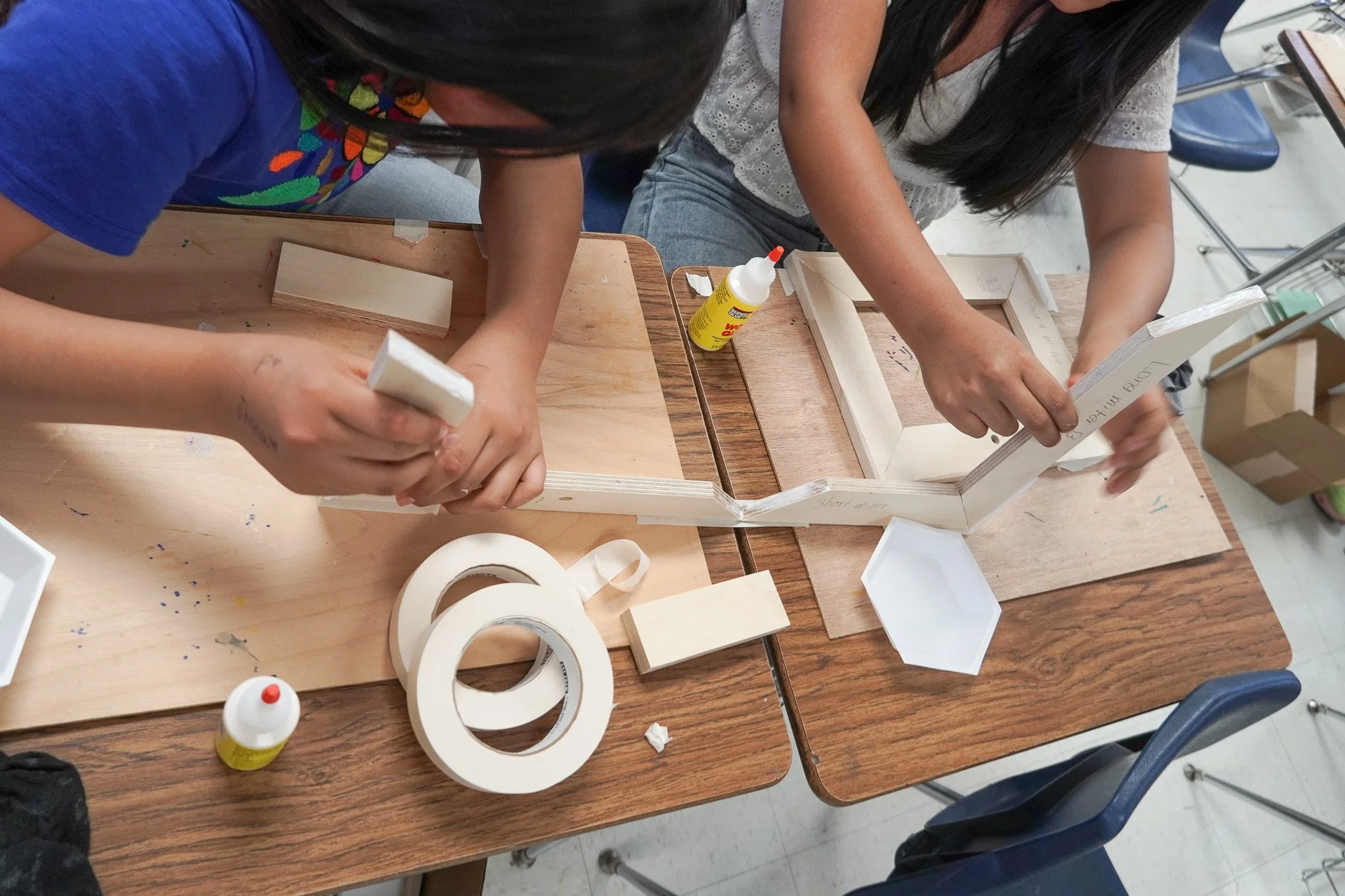
DIY Building Kits to Explore Woodworking: Utilizing pre-cut wood components for students to assemble small projects, such as birdhouses, small cars, and shelves, provides a safe, structured introduction to woodworking.
Safe Introduction to Tool Use: Activities can teach the proper and safe handling of basic tools like tape measures, safety glasses, hammers, and screw drivers. Focusing on concepts like measuring twice and cutting once, joining materials using glue and fasteners, and simple sanding/finishing, can provide valuable lessons and skills.
Structural Challenge Projects: Students can engage in engineering projects with unconventional materials like straws, spaghetti, or craft sticks to design and build structures (towers, bridges) that can balance and support weight.
Blueprint Reading Basics: Students could be introduced to simple architectural drawings or plans to understand how 2D designs translate into 3D objects, incorporating math and design principles.
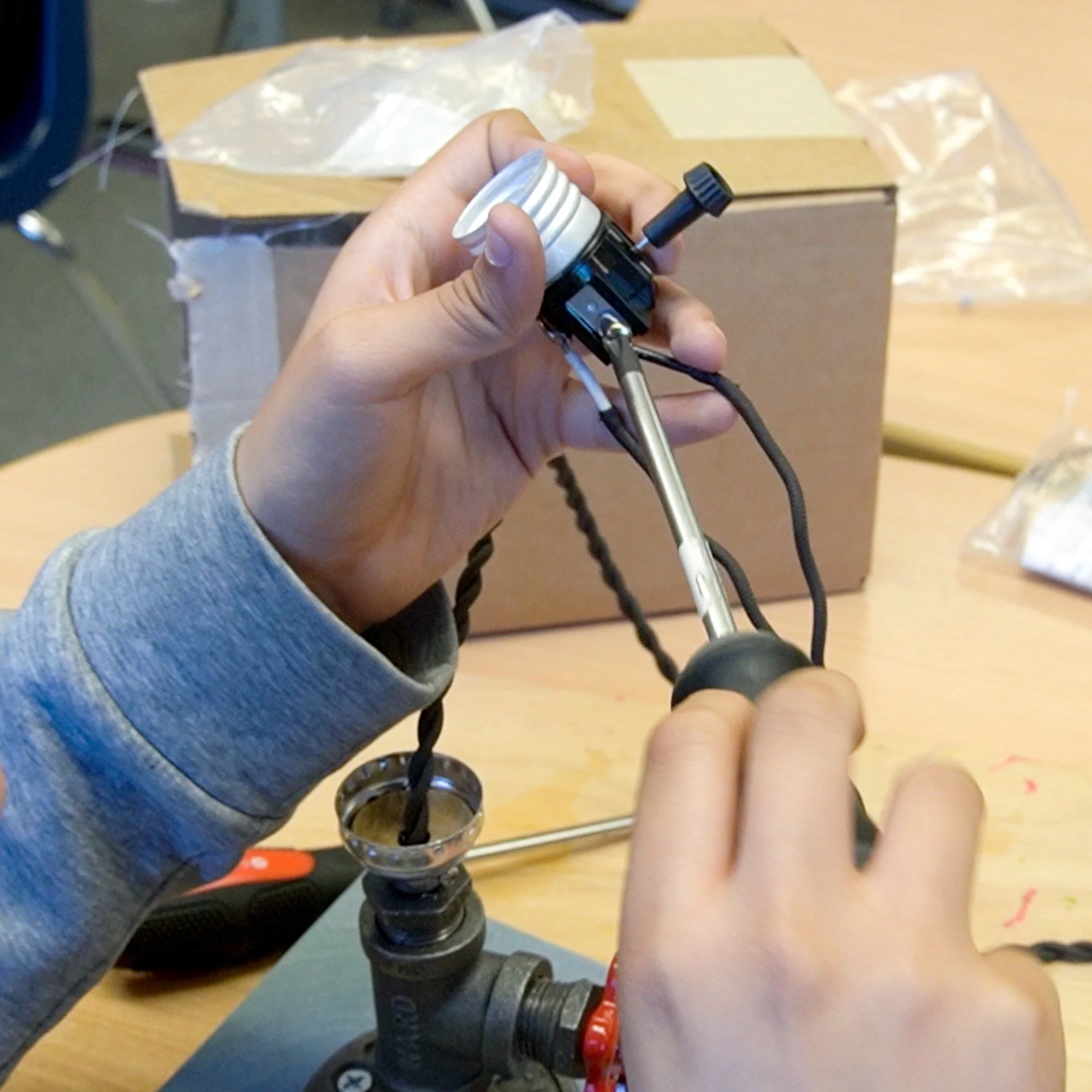
Basic Circuitry Exploration: Using safe, specialized kits to learn about closed circuits, open circuits, conductors, and insulators, students can experiment with switches, power sources, and wires.
Lamp Project or LED Light Wiring: Simple, hands-on projects involving connecting a power source, a switch, and an LED or small bulb. This teaches basic wiring discipline, polarity, and the role of different circuit components. Our LED Light Frame or Iron Desk Lamp projects at Elemental Hardware Enrichment are great introductions to wiring.
Renewable Energy: Students can explore simple models of solar or wind power to show how energy can be generated and used to power a circuit.
An early introduction to trades education can benefit students by empowering them with practical skills, hands-on learning, and career connected curriculum. At Elemental Hardware Enrichment, we believe that it is never too early to start introducing children to skilled trades. Explore our building, growing, and designing programs to learn more!