
What is Hands-On Enrichment? A Guide for Parents & Schools
Hands-on enrichment offers a powerful approach to learning, fundamentally changing how students acquire knowledge and skills. Unlike the passive learning common in traditional classrooms, this method emphasizes active engagement with materials. Essentially, it is the process of learning by doing, which enhances a child’s ability to think critically.
For parents or educators who want to implement hands-on enrichment activities into their child or students’ learning, there are a few key components that you will want to consider. This guide will walk you through the following 5 areas that we focus on when develop hands-on enrichment programs:
Curriculum selection
Implementation strategies
Inclusivity and accessibility
Common challenges
Measuring program effectiveness
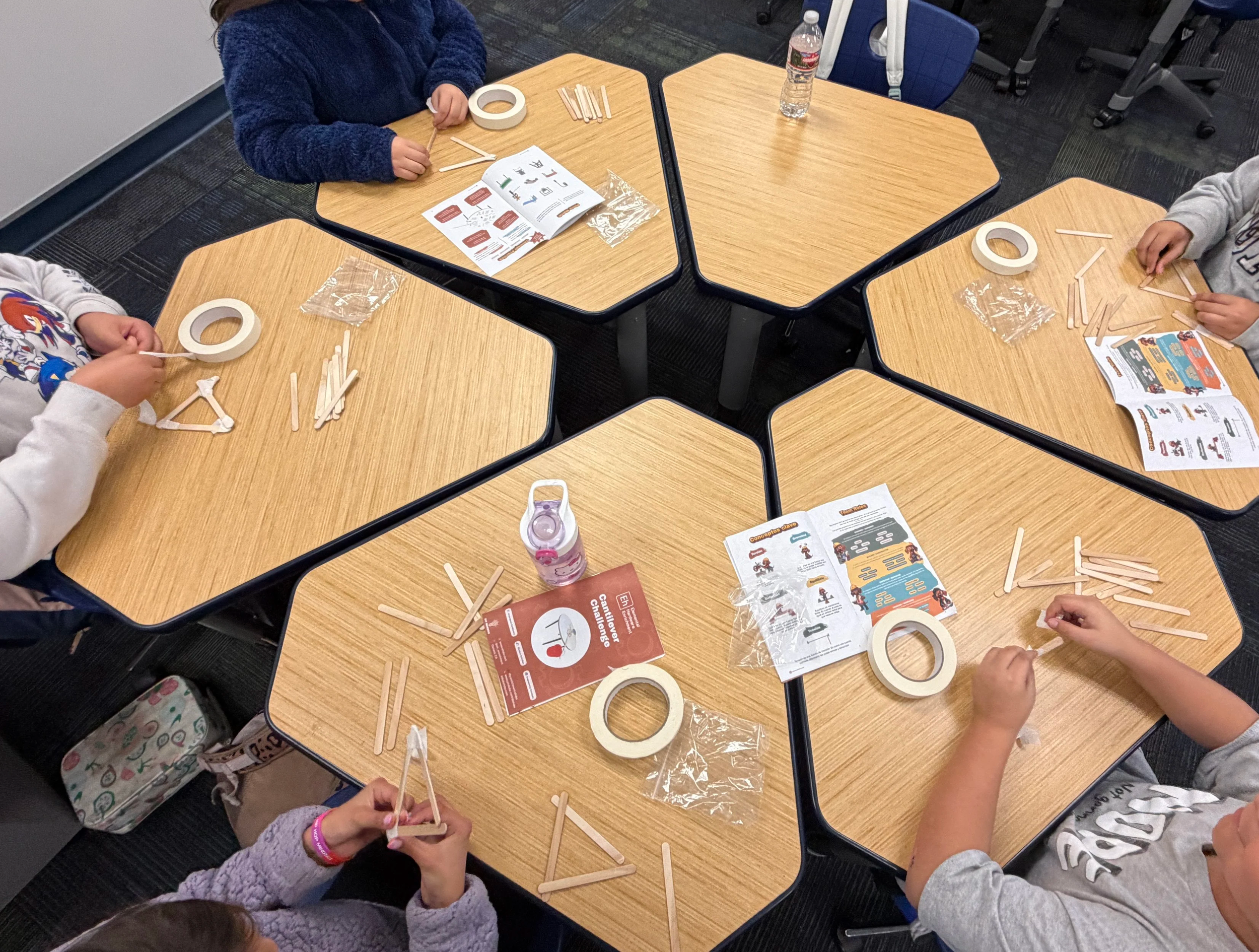
Curriculum Selection
Choosing the right curriculum or activities is a critical step in designing a successful hands-on enrichment program. The selection process should be deliberate and rooted in principles of child development and learning outcomes like the following:
Applying Developmentally Appropriate Practice (DAP)
The concept of Developmentally Appropriate Practice (DAP) is the practice of meeting children where they are, providing them with opportunities to complete goals that are both challenging and achievable. For younger children activities should be concrete, sensory-based, and focused on cooperative play and fine motor skill development. For older students, the curriculum can introduce more abstract concepts, complex problem-solving, and independent research.
Ensuring Effective Learning Outcomes
The goal of any hands-on enrichment activity should be to encourage learning and skill building, not just to occupy time. Activities should include challenges that promote a growth mindset where students have clear goals. This will ensure students feel that there is a purpose behind the activity, and they are not just doing busy work to fill up time.
The learning zone is the space just beyond a child's current mastery — often referred to as Vygotsky's Zone of Proximal Development (ZPD). If the material is too easy, students become bored and disengaged, but If the material is too difficult, students become frustrated and discouraged. The chosen curriculum should be something that a student can achieve with the support of a more knowledgeable person.
By carefully selecting curriculum and activities that are meaningful to students, parents and educators can ensure that time and effort invested into enrichment programs translate into measurable learning and skill development in students.
Implementation Strategies
A good curriculum will not be effective without intentional and strategic implementation. The manner in which learning material is delivered is just as important as the content itself. Hands-on enrichment requires a shift from the traditional educator role and a consideration of the learning environment. Three components we find successful for implementation are listed below:
Facilitator vs. Instructor
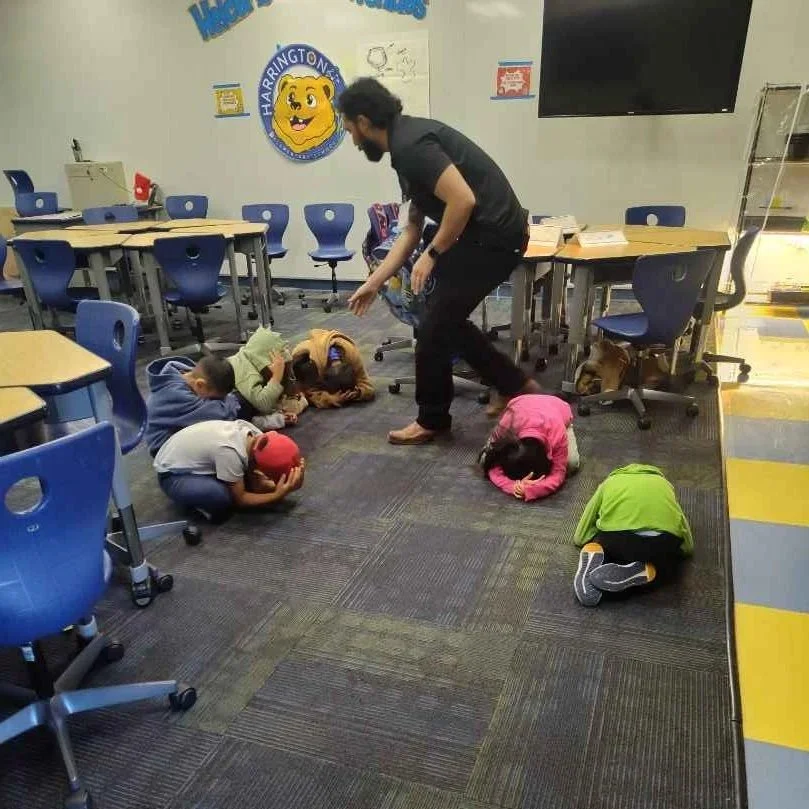
Rather than being a traditional instructor who simply transmits knowledge from instructor to student, a facilitator guides students through their own discovery process. Knowing when to step back and allow students to experiment, fail, and try again is crucial in hands-on enrichment. Providing students with the time and space to problem solve will build resilience and a deeper understanding of the concepts. Rather than providing all the answers, a facilitator can promote deeper thinking by prompting students with questions.
Facilitators are there to offer support when needed, this is based on another concept coined by Vygotsky, known as scaffolding support. This is the idea of providing temporary support until a student can progress through a task on their own.
Space for Success
The physical environment should set students up for success. The classroom or learning space should be intentionally designed to promote learning, collaboration, and experimentation. This might look like:
Flexible seating to easily transition from independent work to small group collaboration
Easy access to materials and tools
Clearly designated zones for different types of activities
The Classroom Culture
The psychological environment should also provide a safe space for students to feel valued. This can be cultivated through:
Normalizing mistakes as part of the learning process
Encouraging constructive feedback
Creating an atmosphere of respect for all voices
Celebrating curiosity
Inclusivity and Accessibility
To ensure that hands-on enrichment touches the lives of many students, it is important to approach program design and implementation with a commitment to inclusivity and accessibility. This focus helps ensure that all learners, regardless of their background, identity, ability, or learning style, have opportunities to participate.
Universal Design for Learning (UDL)
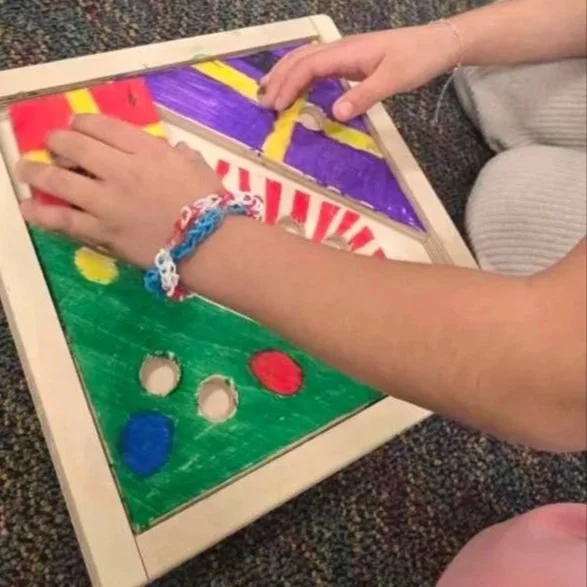
UDL is a framework for educators to design classrooms and curriculum with the diverse needs of their students in mind. Instead of creating a program and fitting in accommodations later, UDL focuses on providing multiple means of representation, action and expression, and engagement. This builds flexibility and choice into the curriculum and helps reduce barriers to enrichment.
Individual Education Plans (IEPs) and 504 Plans
When implementing hands-on learning in a school setting, it is important to review and adhere to the guidelines in students' Individual Education Plans (IEPs) or 504 plans. These legal documents outline the specific accommodations, modifications, and support services a student requires to access their education. For hands-on activities, this might look like providing adapted tools, modifying task complexity, offering one-on-one support, or ensuring physical access to materials and spaces. A successful enrichment program should be flexible enough to seamlessly integrate these mandated supports.
Cultural Responsiveness
To make hands-on learning truly relevant, engaging, and welcoming, programs must be culturally responsive. This means designing activities that acknowledge, respect, and incorporate the varied cultural backgrounds, languages, experiences, and perspectives of the student body. Cultural responsiveness assures that the examples used, the materials provided, and the context of the learning are relatable and meaningful for students from all communities, fostering a deeper sense of belonging and increasing engagement.
Common Challenges
Successfully integrating hands-on enrichment programs can often be met with various obstacles for both schools and parents. Addressing these proactively is key to ensuring the program's success and sustainability.
Resource Limitations: Funding is a primary hurdle. Hands-on activities often require more specialized materials, equipment, and sometimes off-site experiences, all of which can strain limited school or family budgets. Schools and families can explore options such as grants or fundraising to help with budget limitations.
Safety: Hands-on activities inherently involve more movement, use of tools, and interactions with new materials, increasing the potential for minor accidents. Establishing and enforcing clear safety protocols is crucial.
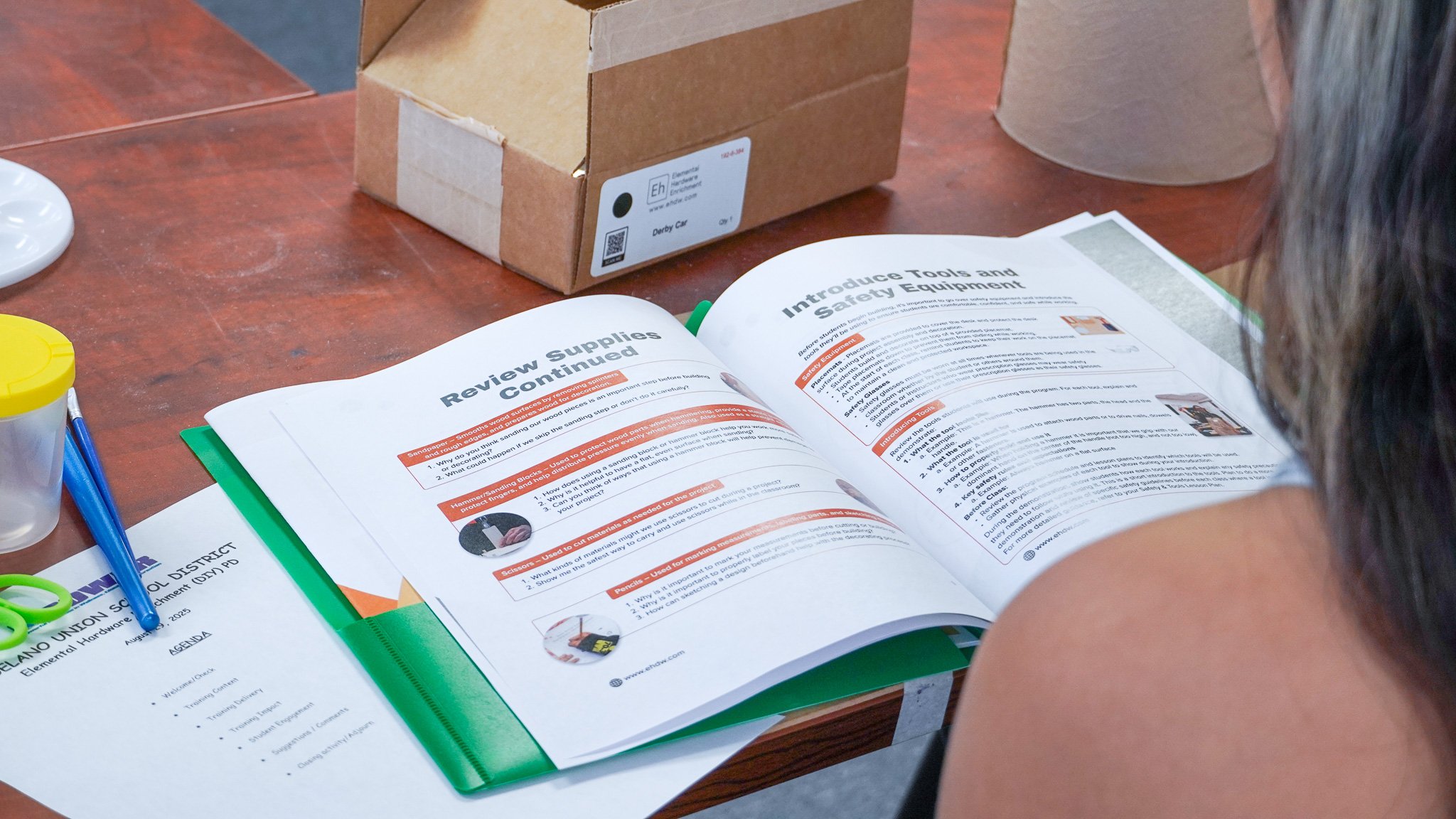
Staff Training: Hands-on enrichment activities can require specialized skills for staff. Ensuring proper training for staff is critical for program implementation. Ongoing professional development is also key to upholding standards for quality and measurable outcomes.
Measuring Program Effectiveness
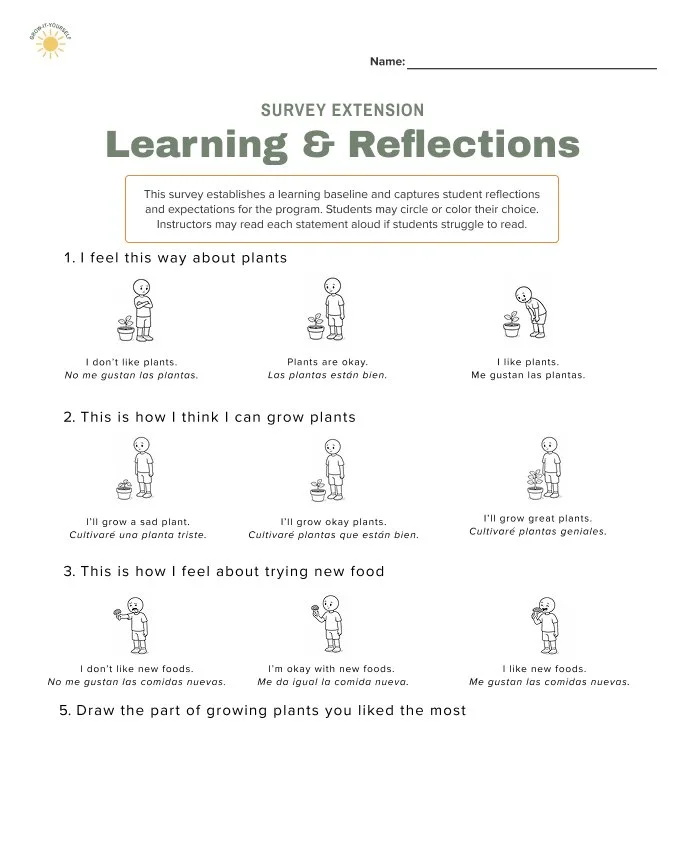
Evaluating hands-on enrichment programs is vital for improvement and demonstrating value. A comprehensive approach uses metrics such as the following:
Student Engagement: High engagement shows relevance to student interests and effective delivery. Methods include:
Observation: Document participation, focus, and collaboration.
Student Self-Assessment: Use surveys or journals for feedback on enjoyment and challenge.
Project Quality: Assess complexity and creativity of final work.
Enrollment and Attendance: These quantitative metrics reflect perceived value and accessibility:
Enrollment/Retention Rate: Track sign-ups and re-enrollment for interest and sustained satisfaction
Attendance Consistency: Monitor attendance rates
Waitlists: Indicate high demand and potential need for expansion
Conducting Evaluations: Surveys can be conducted before and after programs to gain insight from students
Knowledge Assessments: Use identical quizzes pre-program and post-program to measure cognitive gain
Skills Assessments: Use rubrics to evaluate performance improvement in hands-on skills
Surveys: Gauge changes in confidence and interest
Hands-on enrichment is a powerful approach that transforms passive learning into active discovery. By incorporating these key components into hands-on enrichment programs, you can ensure students are engaged and fostering meaningful learning experiences.
The best enrichment programs don’t just keep kids busy — they help students build skills they can use in the real world. If you’re ready to see that in action, explore our programs or contact us to learn more about how we can work together.