The 5 Skill Domains of Hands-on Education
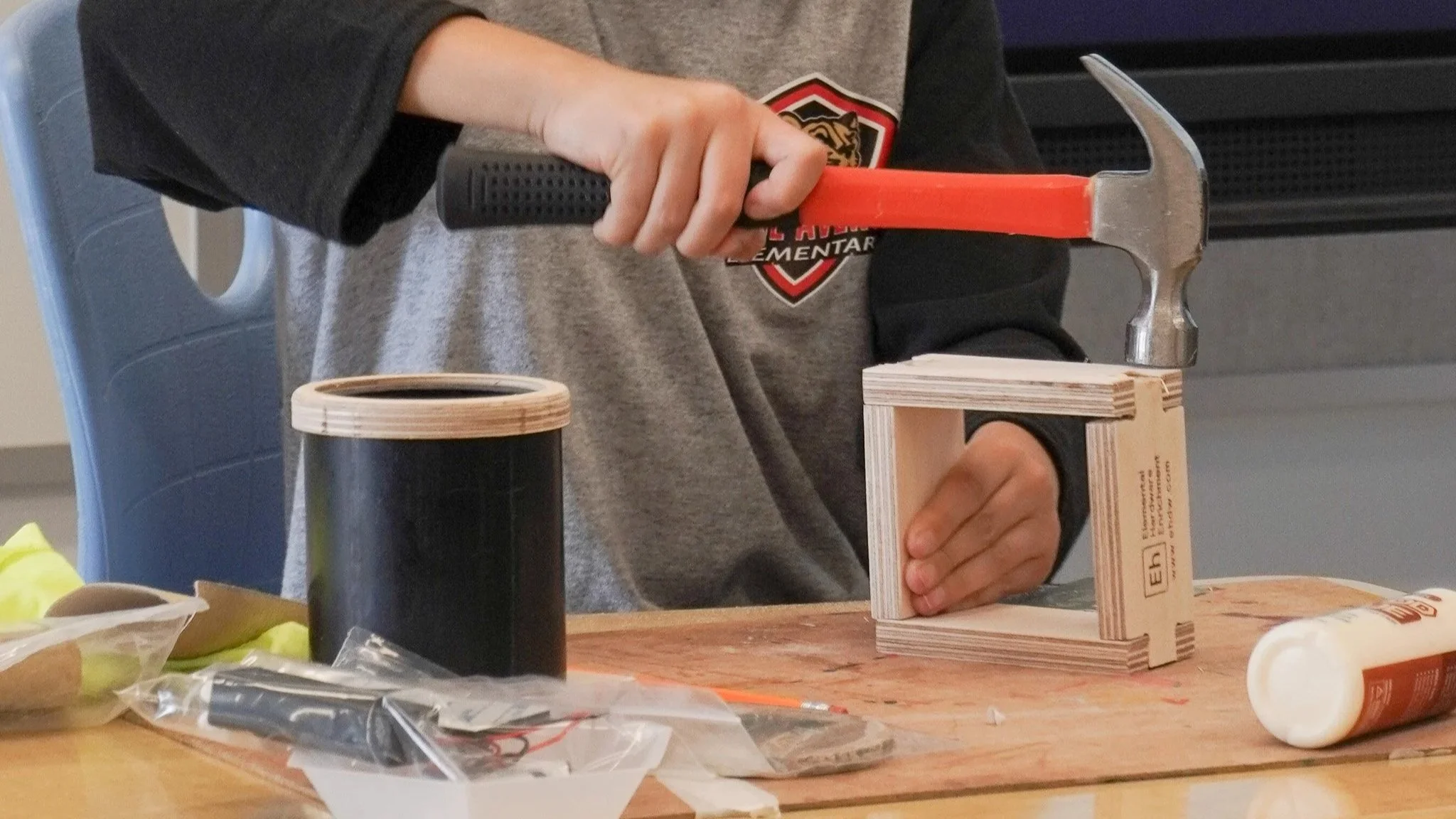
We live in an increasingly digital world, and the question on all of our minds as educators and parents is: are we truly preparing our children with the skills they need to thrive? Contrary to intuition, the answer lies not just in screens, but also in the power of hands-on enrichment. In other words, the process of having kids actively engaging with materials is a necessary experience that we cannot overlook for them to learn and gain critical skills.
Rather than passively taking in information, with hands-on enrichment students take autonomy by playing a central role in their learning as the agent of cause and effect. Furthermore, hands-on education promotes development across five key skill domains:
Social-Emotional Learning (SEL)
Psychomotor Skills
Interpersonal Skills
Cognitive Function
Creativity
Skill Domain 1: Social-Emotional Learning (SEL)
The development of essential life skills begins with understanding oneself and others, which brings us to the first crucial domain: Social emotional learning (SEL) – a domain that is effectively cultivated through hands-on learning. According to CASEL, SEL is the process of acquiring and applying knowledge, skills, and attitudes in order to:
Build a strong sense of self
Regulate emotions
Pursue and achieve goals
Feel and show empathy for others
Form and maintain positive relationships
Make thoughtful, caring choices
The process of taking a project from an initial concept to a tangible, finished product provides students with a concrete sense of accomplishment. This experience is the result of trying something new, investing effort, and seeing that their effort can culminate in a successful outcome.
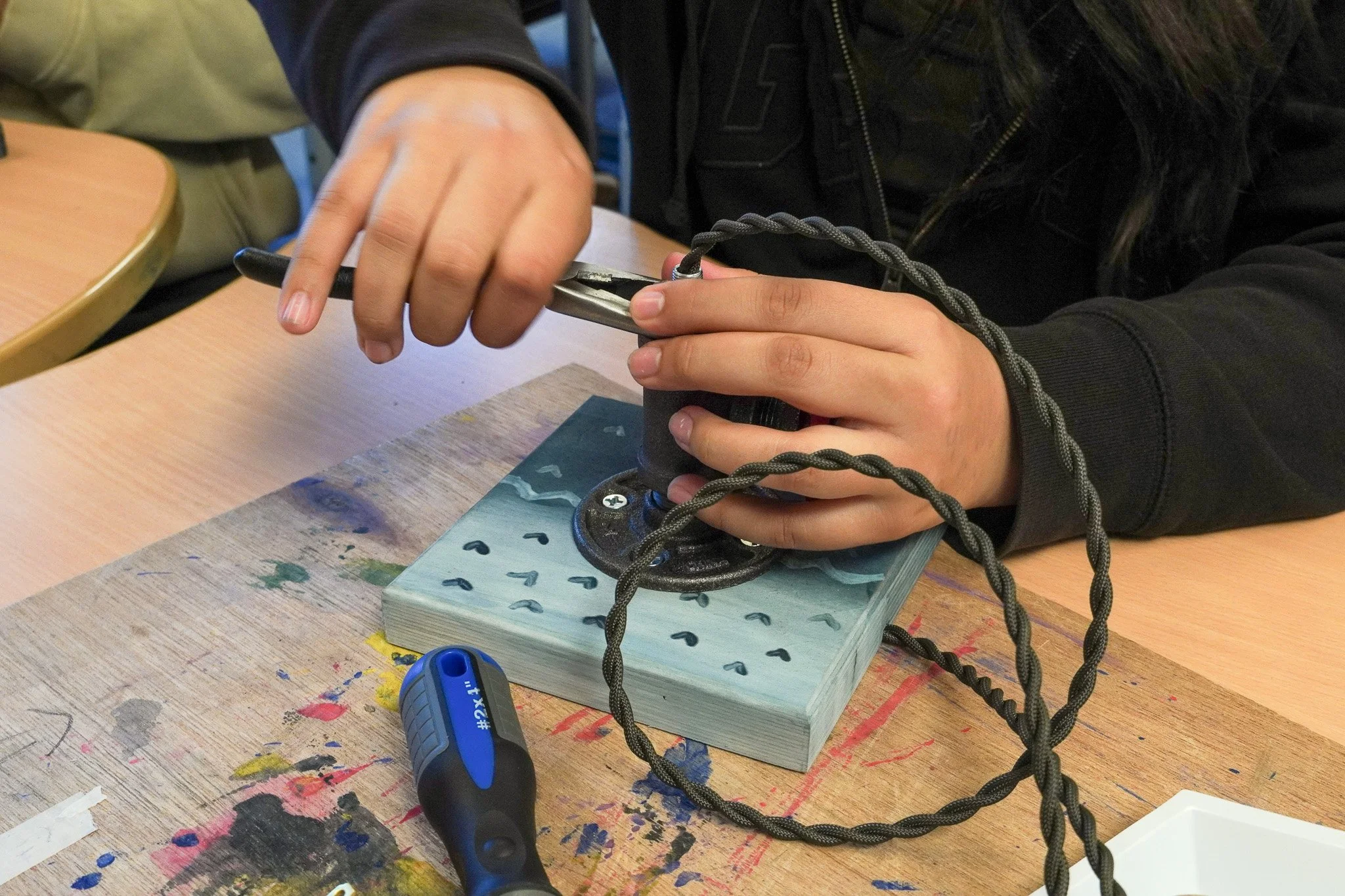
As an example, in our DIY Builder’s program, students experience a direct correlation between their sustained effort and the quality of the final construction of their project kit. The kinesthetic, focused nature of hands-on tasks can be therapeutic, too. Students have reported experiencing feelings of relaxation and calm while engaged in repetitive and focused motor tasks such as sanding a piece of wood, carefully hammering nails, or precisely painting details. These reports suggest that hands-on learning provides a positive outlet for students to manage their emotions and regulate stress.
Hands-on learning often involves a degree of trial and error. Working through these inevitable setbacks is an effective way to teach resilience, showing students that mistakes are part of the learning process. This positive approach to challenges promotes a growth mindset, encouraging students to believe that skills and knowledge can be developed through dedication and hard work, which can ultimately translate into greater success in all areas of life.
Skill Domain 2: Psychomotor Skills
Psychomotor skills are physical skills that require movement, coordination, and strength. These skills are classified under two main categories: gross motor skills and fine motor skills. Using the Peabody Developmental Motor Scale, a 2023 study by The Egyptian Journal of Hospital Medicine found that the fine motor skills of children who do not use touch screens are better than those of children who do use touch screens. This study showed a significant difference between the two groups of children in motor tasks such as grasping markers and cutting paper.
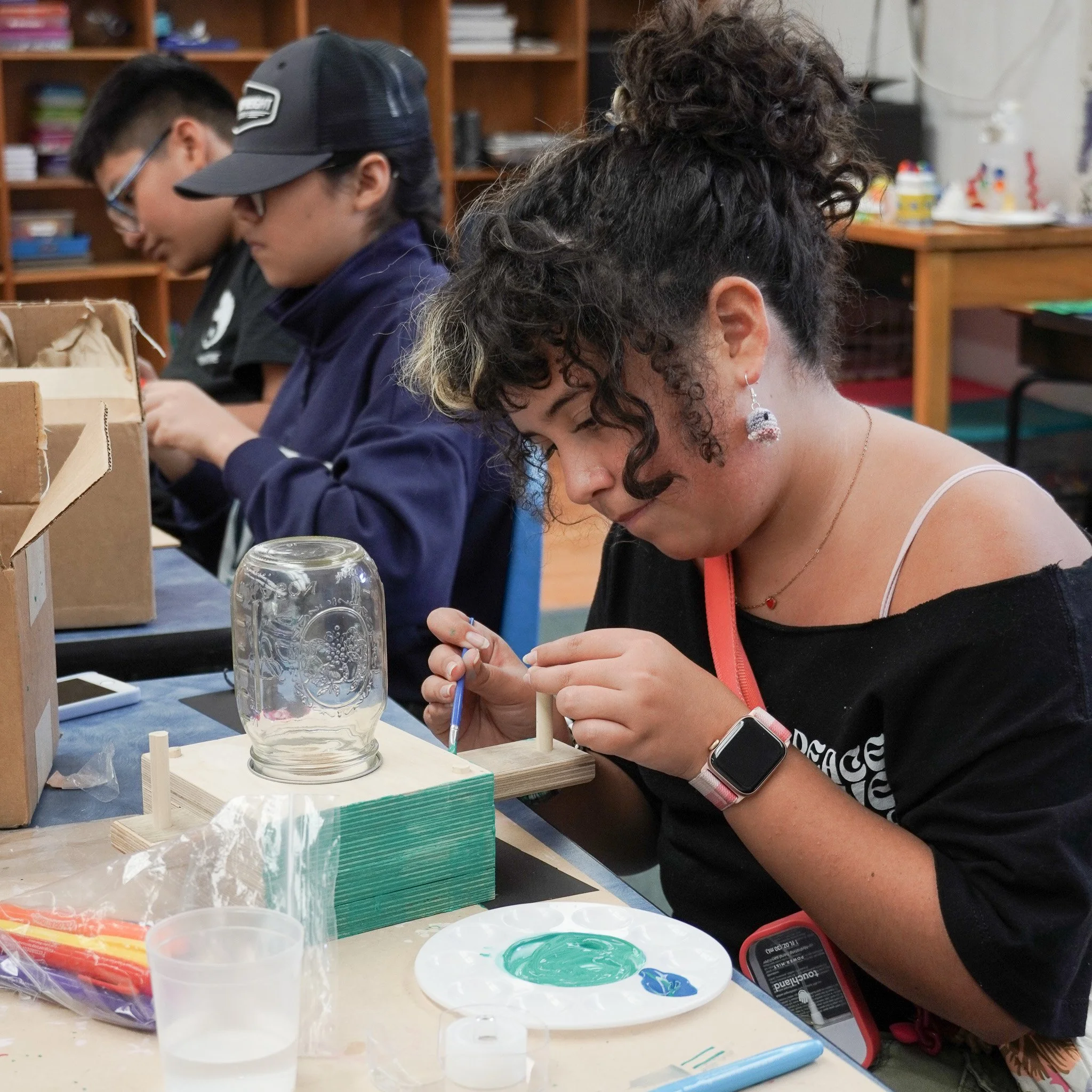
Hands-on skill building can be a pathway to bridging the gap between fine motor development and screen time. Hands-on activities like building, crafting, and manipulating small objects and tools provide the necessary practice for developing superior fine motor skills, which are crucial for tasks ranging from writing to complex technical work.
Through activities such as painting, cutting, and sorting, students refine precision and hand-eye coordination with tools and controlled movement. These psychomotor skills are fundamental for academic tasks, athletic endeavors, future vocational pursuits, and overall independence in daily life.
Skill Domain 3: Interpersonal Skills
The interpersonal domain focuses on the ability of students to interact effectively with others, both individually and in group settings. These skills are crucial for collaboration, problem-solving, and navigating diverse environments. Key components of this domain include communication, facilitation skills, and teamwork.
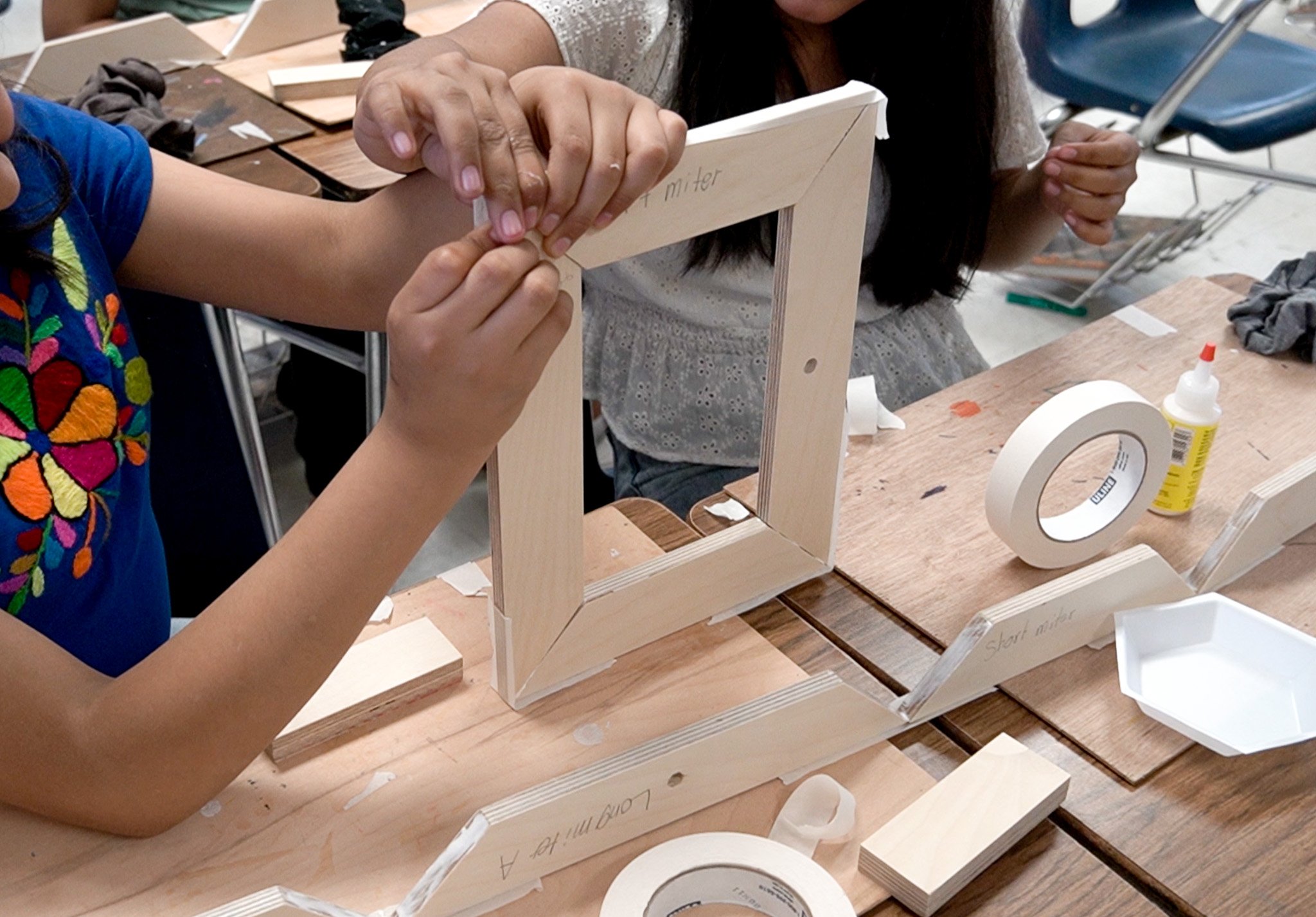
Communication skills encompass the ability to clearly articulate ideas, actively listen to others, provide and receive constructive feedback, and adapt communication style to different situations. Hands-on learning provides students with natural opportunities to practice and develop these skills through discussion, questions, idea sharing, and teamwork.
Facilitation skills, or the ability to lead or guide others through a task, is essential for working with others. These skills involve ensuring all voices are heard, conflicts are managed, and a team is kept focused. When working on hands-on projects, some students will pick up on instructions and techniques quicker than others – these instances present an excellent opportunity to elevate those students and have them mentor their classmates through the same instruction or technique to develop their facilitation skills.
Teamwork involves working collaboratively toward a shared goal, which includes understanding and fulfilling one's role, supporting teammates, sharing responsibility, managing group dynamics, and contributing positively to the collective effort. This skill often requires negotiation and compromise. Many hands-on projects will include some sort of interactive activity with the finished product – ideally, these activities can be framed as individual or team-based opportunities for students to develop their collaboration skills.
In a group science fair project, as an example, students must work together to design and execute an experiment, promoting facilitation skills. Through a complex project, students are challenged to take on different roles — such as investigator, materials coordinator, data analyst, and presentation specialist — to come together and achieve a common goal.
Hands on projects like this are intentionally designed to:
Encourage students to practice active listening to hear and genuinely consider the opinions and expertise of their teammates
Encourage students to make compromises with their peers
Encourage students to work together towards a common goal
These projects not only test technical skills but fundamentally develop their ability to function as a cohesive and efficient unit. These are the exact interpersonal skills that can set an individual up for success in their personal and professional lives.
Skill Domain 4: Cognitive Function
The cognitive domain of hands-on education focuses on promoting intellectual skills and critical thinking. Critical thinking is promoted through planning, deep analysis, and evaluating multiple perspectives. Project based learning offers an alternative to the systematic learning and memorization that students commonly engage in within a typical classroom setting.
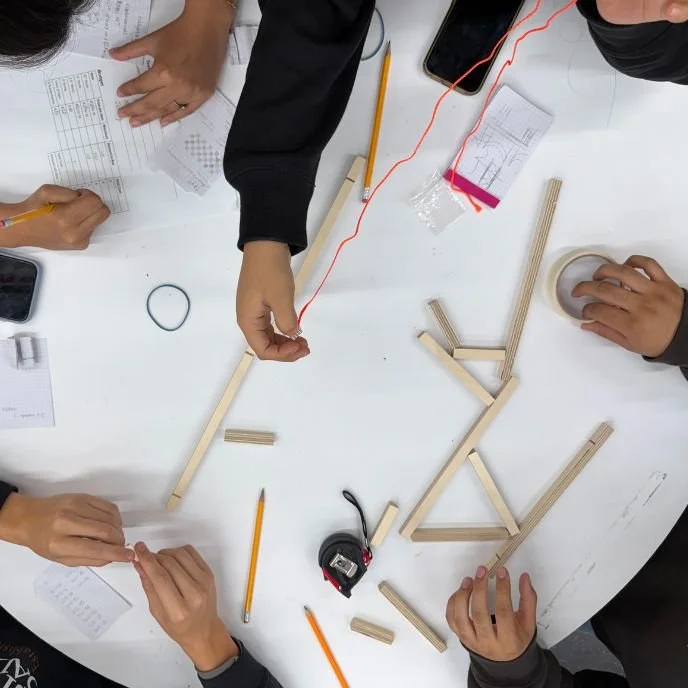
Hands-on learning encourages students to engage in careful planning before initiating a task or project. This planning includes defining objectives, identifying necessary resources, anticipating potential challenges, and structuring a gameplan. This planning stage requires higher-order cognitive functions.
This free and fun spaghetti and marshmallow tower challenge from the Science Museum Group serves as an excellent practical example for the planning stage. To build a sturdy tower while managing material use, students must apply critical thinking skills when working with these fragile materials.
In a hands-on context, evaluating multiple perspectives often looks like considering several approaches to solving a problem. This skill promotes deep analysis to compare and synthesize information to make the best informed decision. These critical thinking skills in the cognitive domain all translate into real life skills kids need for the future.
Skill Domain 5: Creativity
Creativity is the ability to generate new ideas, both artistically and in solving problems. Hands-on enrichment is a booster for this skill because it provides a safe space for open-ended exploration. When students are given physical materials and a challenge, they have to use their imagination to form solutions. When their ideas pose challenges, they must pivot their thinking, encouraging experimentation and creativity.
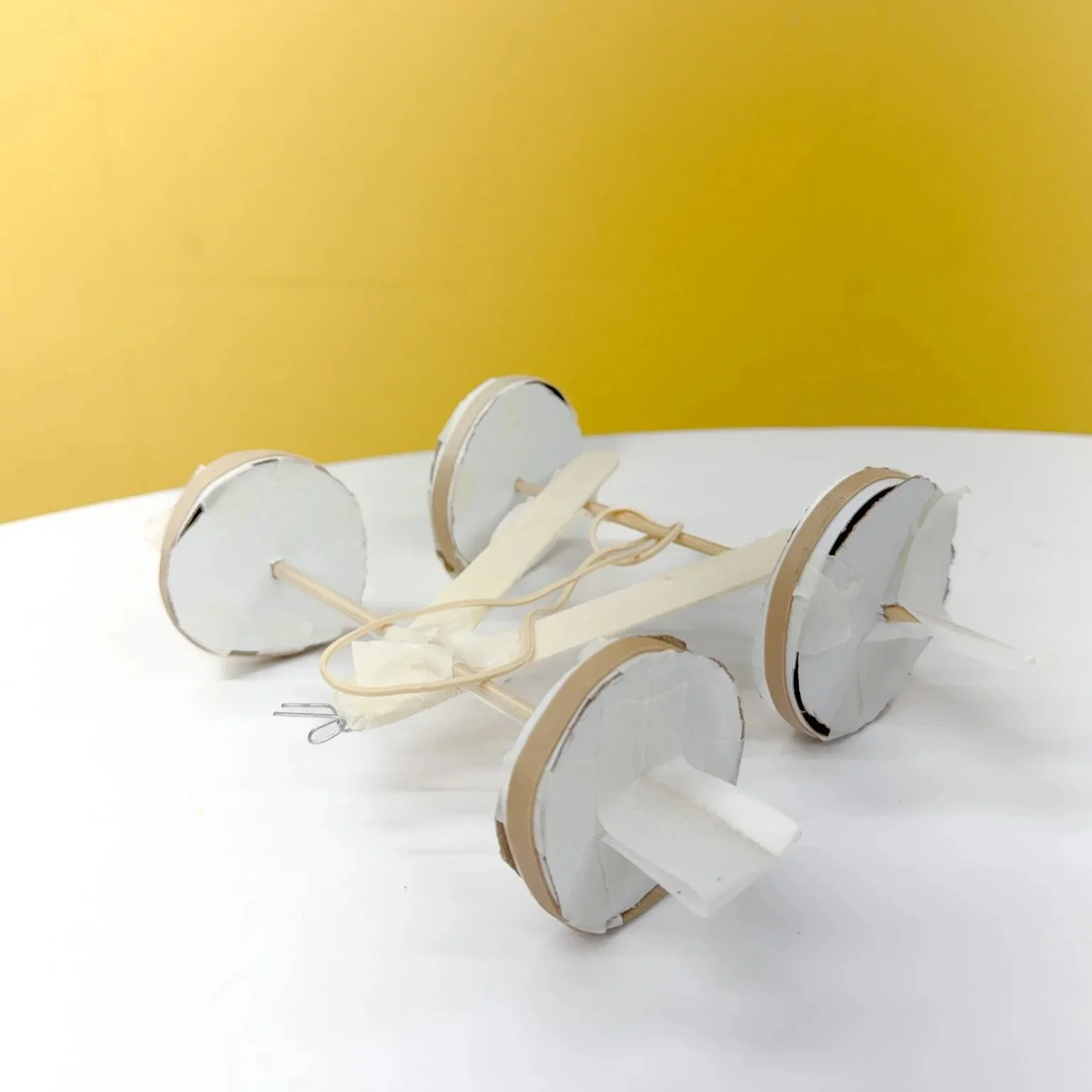
Sciencebuddies.org has a plethora of examples of hands-on STEM activities that boost creativity, such as building a paper roller coaster or making a balloon car out of recycled materials. Project-based learning provides safe platforms for students to play with trial and error and imagine new solutions.
Creative thinking is essential for innovation and is a skill that is highly valued in the modern workforce. Hands-on enrichment programs give students opportunities to discover hidden talents, share their unique perspectives, and show off their innovative thinking through solving problems.
Fostering Holistic Learners
The five skill domains — social-emotional, psychomotor, interpersonal, cognitive, and creativity — are essential for a comprehensive hands-on education. By intentionally integrating activities that challenge students in each of these areas, parents and educators can foster a deeper love for learning and prepare learners for real-world application. Whether through classroom projects or activities at home, prioritizing these domains ensures that students develop not just technical knowledge, but the practical competence and critical thinking necessary for success in their future endeavors.
If you’re interested in finding more effective ways to engage your kids in hands-on education, request a meeting to learn more or check out our exciting, project-based camps and events to spark their creativity and build essential life skills!
