
From Seed to Harvest: What Kids can Learn Through Gardening Programs
Gardening programs offer a hands-on, living classroom experience where children can learn more than just planting and growing. These unique environments provide opportunities for children to develop essential skills, including social emotional learning and fine motor skills. As they nurture seeds into sprouts, children can connect with nature, learn about where food comes from, and develop a sense of responsibility and accomplishment.
Social Emotional Learning (SEL)
Life Cycles
Gardening programs offer a hands-on way for children to understand growth, change, and development. The necessity of waiting for a seed to sprout, a seedling to grow, and a plant to produce flowers or fruit instills lessons in patience.
This shows children that good things take time, moving away from an “instant gratification” mindset to one of understanding and appreciating the process. This waiting period cultivates long-term gratification, or the feeling that comes from nurturing something over time and enjoying the result.
The following stages of a plant life cycle encourage children to learn patience:
Seed: At this stage, a seed holds the potential for life
Sprout: The exciting first sign of life
Seedling: A seedling is vulnerable, requiring nurturing to become a mature plant
Adult Plant: Fully developed organism, capable of producing flowers and fruit
Flower: The reproductive structure of the plant, often colorful and fragrant, leading to fruit and new seeds
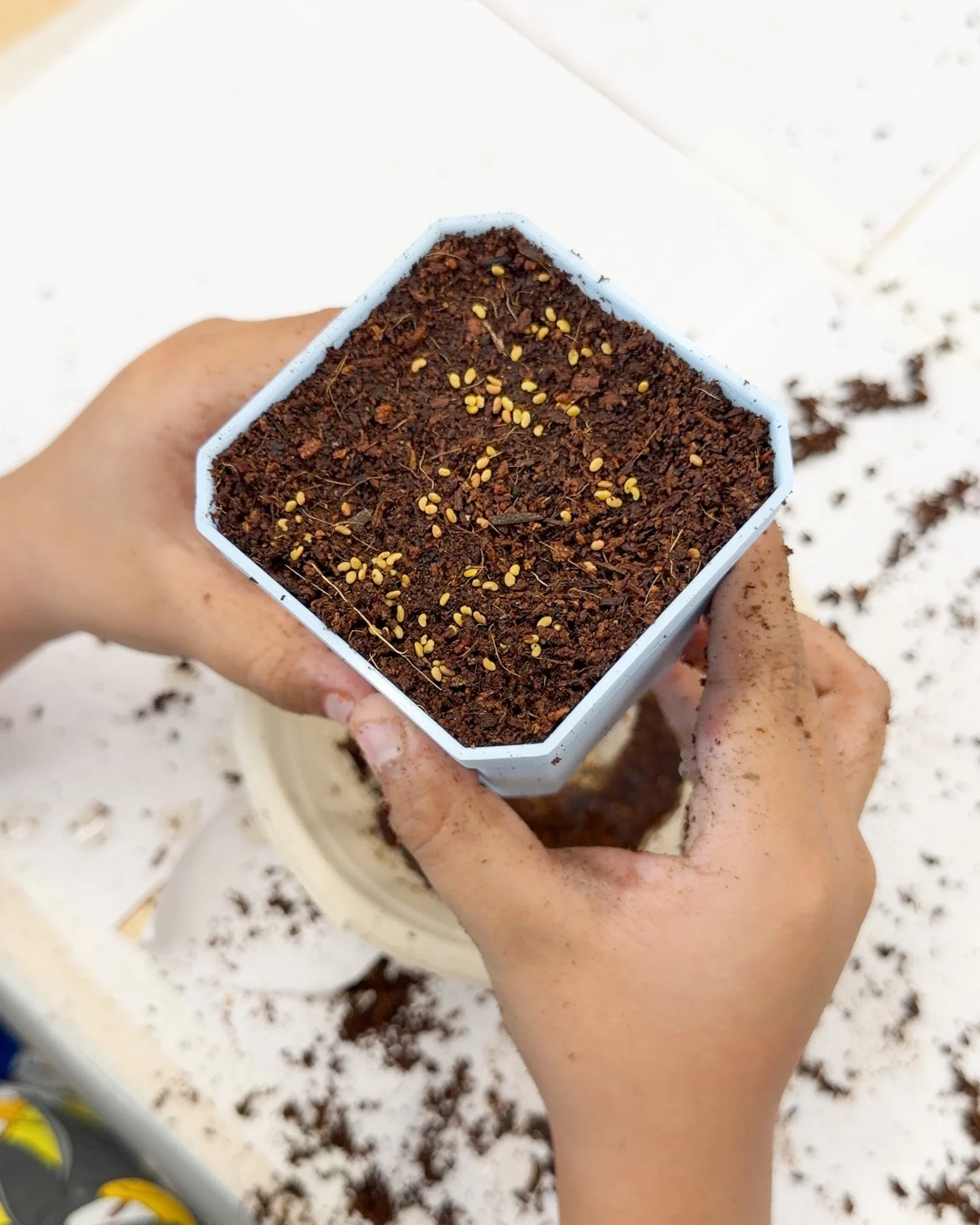
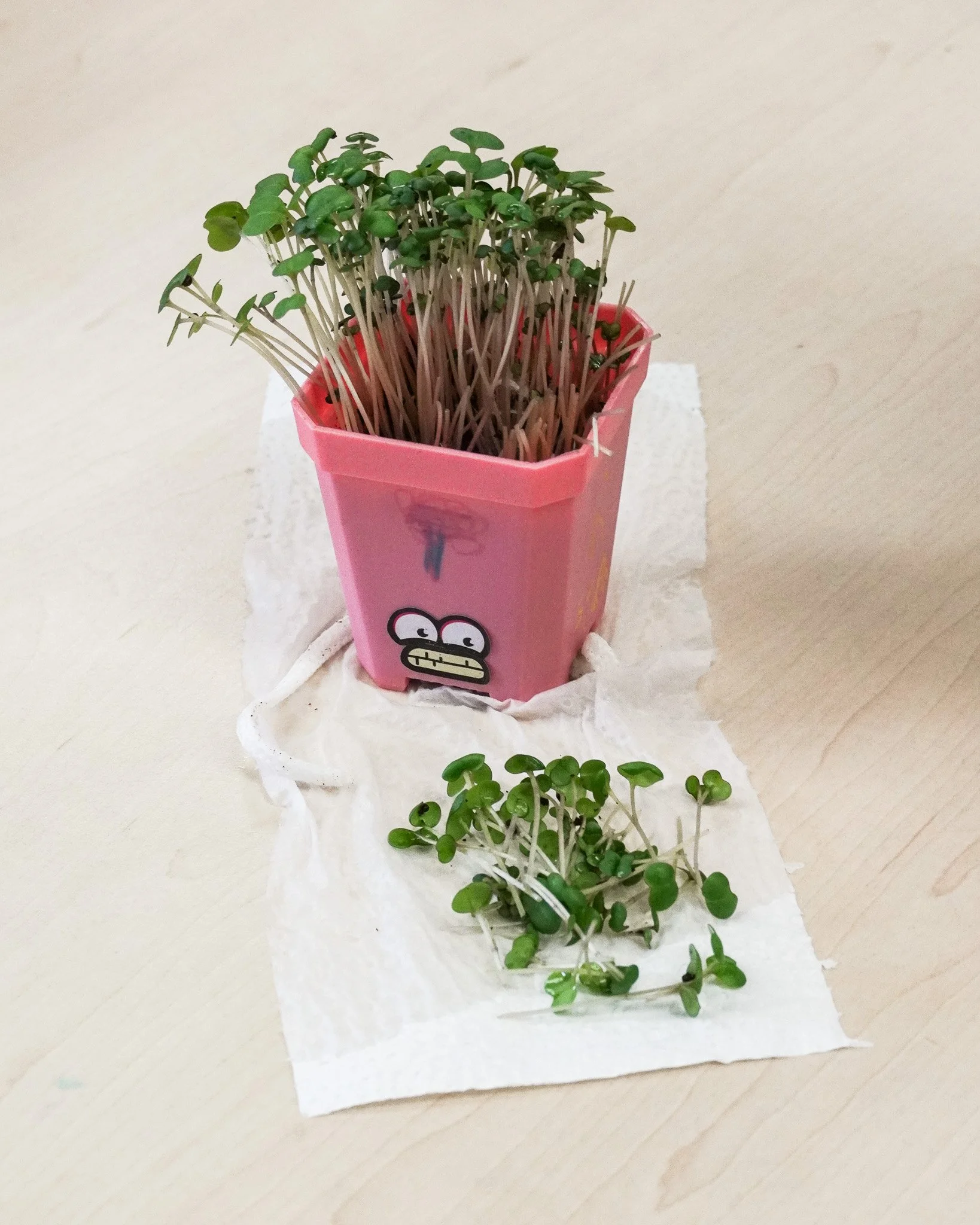
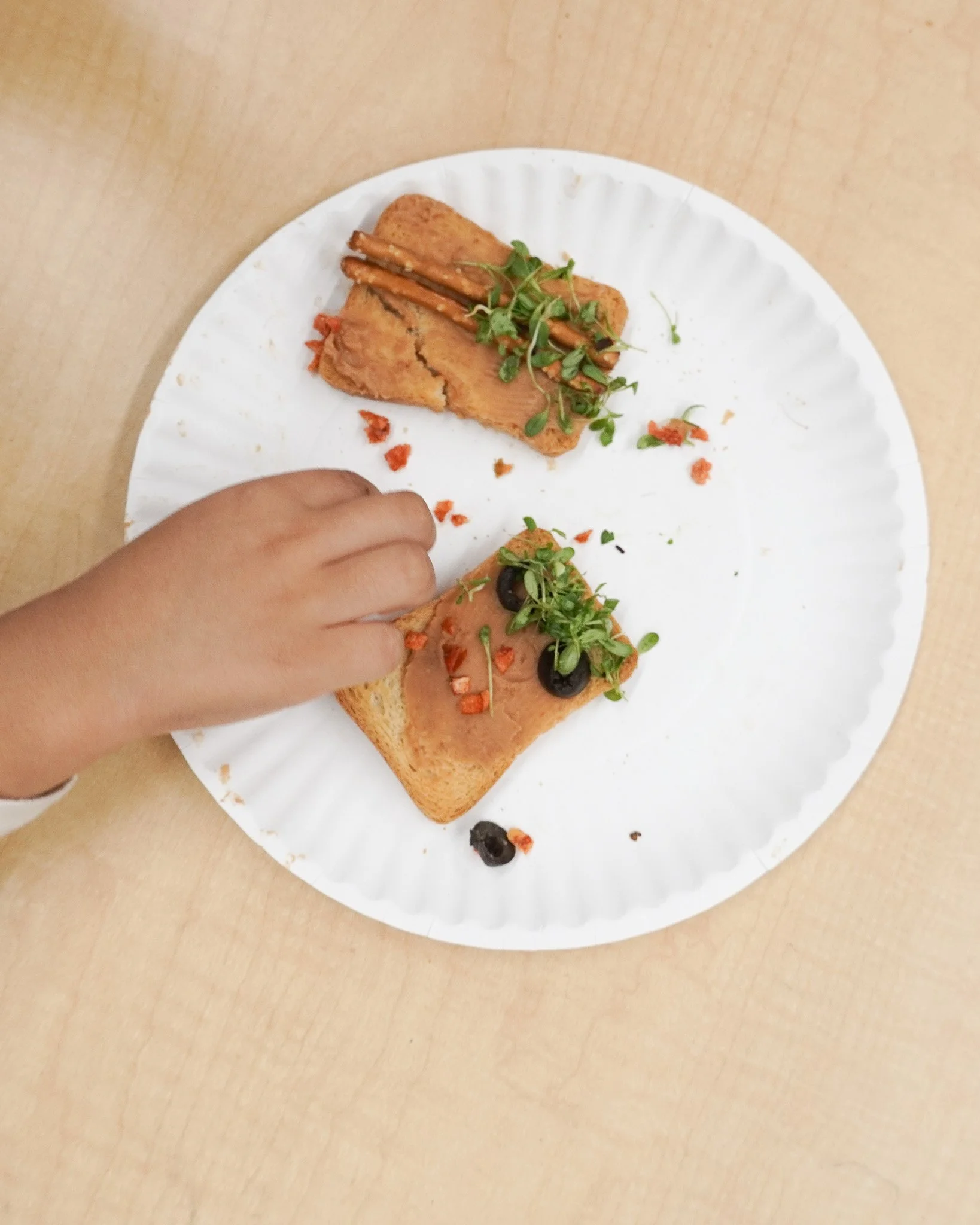
At every stage of a plant’s life cycle, students gain knowledge about how time, effort, and growth are connected, emphasizing a pattern of change and renewal.
Symbiotic Relationships
Through learning about plants, children can understand ecological interactions, or symbiosis. They can learn about mutualism, or when two species benefit from a relationship. A perfect illustration of mutualism, as explained in the 2025 volume of Symbiotic Interactions - From Mutualistic Alliances to Parasitic Exploits, is the relationships between pollinators and plants. “Bees, butterflies, and other pollinators obtain nectar and pollen as food sources, while plants benefit from the transfer of pollen between flowers, facilitating reproduction.” Understanding these cooperative relationships in nature can help children develop an appreciation for teamwork and cooperation with their peers.
Problem Solving
Problem solving is an essential life skill that children can strengthen through participation in gardening programs. The process of caring for a plant from seed to adult plant requires the ability to adapt, troubleshoot, and think critically. If a seed fails to sprout or if a plant is beginning to wilt, a student will need to become an investigator to figure out the root of the problem. They will need to ask diagnostic questions such as
Did the plant get the correct amount of water?
Is it receiving the right amount of sunlight?
Could a pest be the culprit?
This cycle of observation teaches children resilience and the lesson that setbacks can lead to growth. It teaches them persistence, providing children with a low-stakes environment for practicing decision making and problem solving that will transfer to the academic and social challenges they may face in daily life.
Cause & Effect Reasoning
Gardening programs offer a hands-on way for children to grasp the fundamental concept of cause and effect. This learning extends beyond plants and into critical life skills:
Responsibility: A plant’s survival directly depends on consistent care from its owner. Students can understand the first-hand effects of what happens if they neglect their plant, causing it to wilt, or if they nurture their plant, leading to growth. This immediate feedback loop instills a concrete sense of accountability and ownership, making gardening a powerful, early lesson in responsibility. They discover the specific environmental factors (sunlight, water, soil quality) required for life and growth, teaching them the value of caring for something dependent on them.
Interpersonal Relationships: The plant-care model provides a simple metaphor for the relationships in the lives of children. Children can easily draw parallels: Just as nurturing a seed (giving it water and sun) helps it grow, nurturing a friendship (giving it attention, kindness, and time) helps it flourish. Similarly, neglecting a plant can cause it to wilt, and neglecting a friendship can lead to hurt feelings.
Emotional Literacy and Regulation: The unpredictable nature of gardening provides a crucial, low-stakes environment for children to learn about and understand their own emotions. If a seed does not germinate, or a young plant succumbs to pests or harsh weather, children experience genuine sadness, loss, and frustration. This gives educators a chance to teach coping mechanisms, resilience, and the concept of trying again. On the other hand, the moment a flower finally blooms, a ripe tomato is picked, or a tiny sprout breaks the soil, children feel pure excitement, pride, and validation. This connection between effort and joyful outcome reinforces the reward of persistence.
Fine Motor Skills
Gardening programs also provide a plethora of opportunities for sensory activities, promoting fine motor skills. By encouraging children to get their hands dirty, they can have fun and engaging tactile learning experiences. Three examples of fine motor activities include:
The delicate task of sowing seeds, often done with a gentle pinch or sprinkle of the fingers, is a great way to teach children about fine motor control. Actions like carefully covering seeds with soil or drizzling water can help children practice controlling the force of their movements.
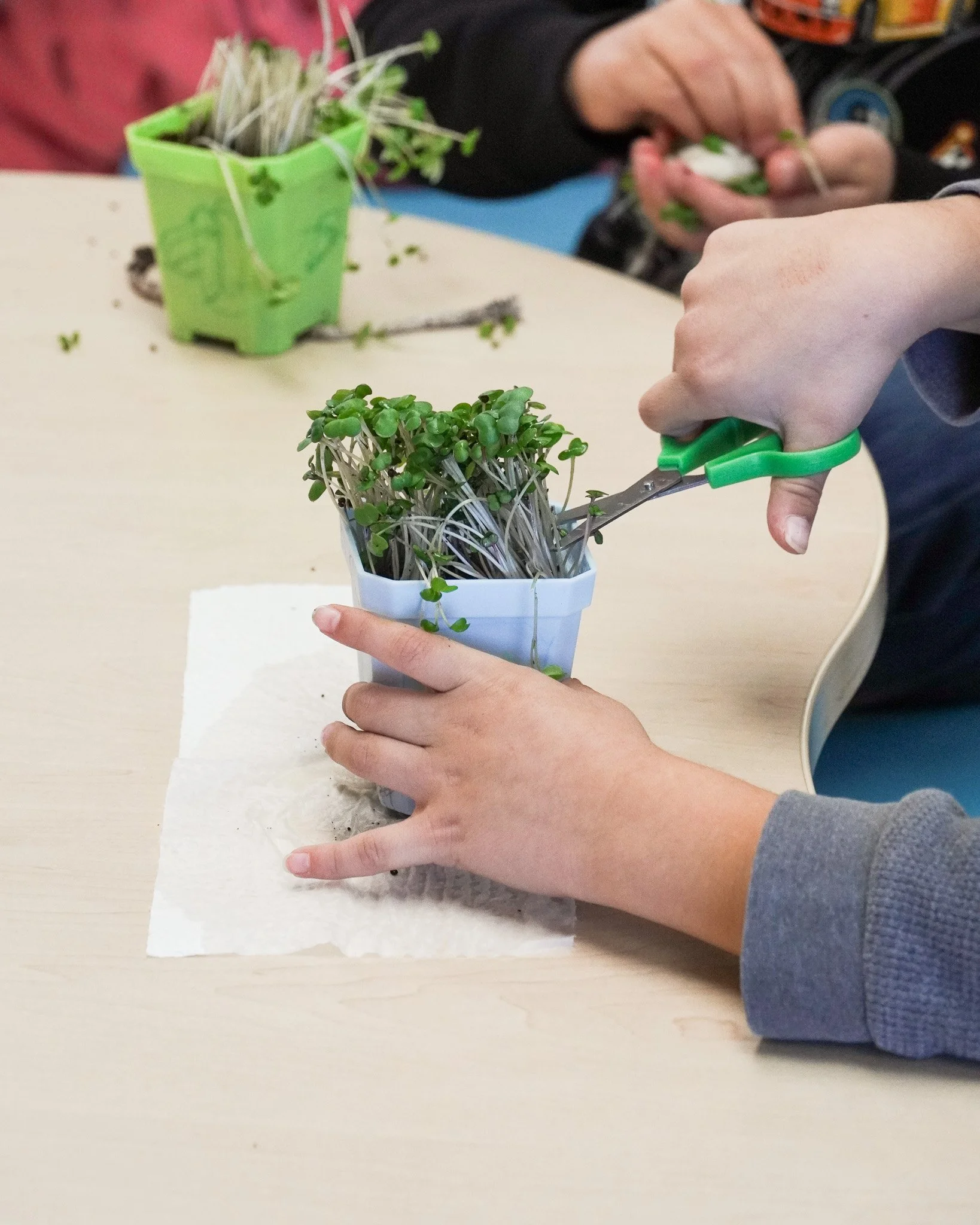
Harvesting tasks provide practice for more complex motor skills. Using safety scissors to snip greens, cut flowers, or harvest vegetables strengthens the muscles of the hand and enhances visual motor skills. Additionally, the action of using two hands to hold a plant steady with one hand while using the other hand to cut, promotes bilateral coordination, or the ability to use both sides of the body in a controlled and organized manner. This is a skill needed for everyday activities such as self care, playing, and building.
Simple repetitive tasks are foundational for developing motor skills. Picking leaves or pulling weeds provide opportunities to practice grasping skills. These actions build the hand strength and endurance necessary for daily tasks like writing and using utensils.
Through these purposeful and enjoyable activities, gardening programs create a natural setting for children to refine their fine motor skills, boost hand-eye coordination, and build the physical foundations for lifelong learning.
Gardening is more than just an activity, it is a sensory experience that offers countless benefits for social emotional learning. From life cycles to symbiotic relationships, children can learn a lot about science while also developing necessary life skills. By nurturing plants, children ultimately nurture their personal growth and development.
If you’re looking to introduce your child or students to the world of gardening, check out our Grow-It-Yourself program. Students get the opportunity to learn about life cycles by blending science, food literacy, and creativity, leaving them empowered by the experience of growing and enjoying their own harvests.
