What Career-Connected Learning Looks Like in Elementary After School
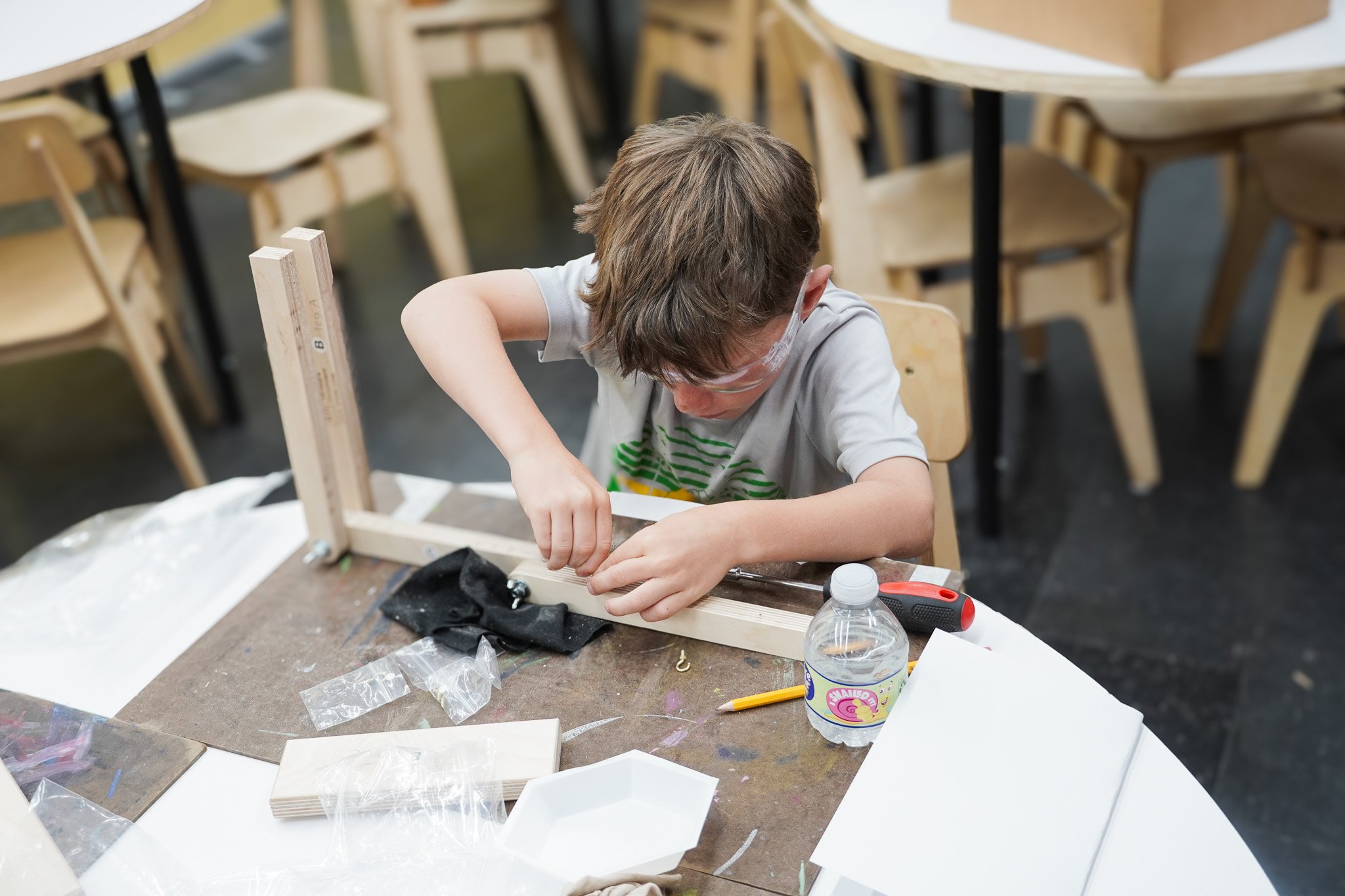
Career-connected learning (CCL) is defined as an educational approach “that integrates academic learning with real-world work experiences.” This integration serves to build a foundation for students to explore diverse career paths and ultimately achieve success in their post-education lives.
Why it Matters
Breaking Down Stereotypes: CCL actively works to reduce career stereotyping, preventing students from limiting their aspirations to certain careers based on factors like gender, socioeconomic background, or family occupation.
Making Learning Meaningful: Seeing real world connections builds purpose behind their work beyond just grades and tests. This concept is central to Career-Connected Learning (CCL), which aims to show students the relevance of their studies to future careers. By understanding these connections, students develop greater engagement and motivation.
Fostering Skills and Confidence: By engaging students in activities and projects that connect to careers, they build skills such as team work, organization and planning, active listening, and creative problem-solving.
Closing Gaps: CCL aims to close the opportunity gap, which refers to “circumstances in which people are born over which they have no control (e.g., race, socioeconomic status, ethnicity, zip code) that impact their opportunities in life.” CCL works to close this gap by preparing students for future learning and employment. It achieves this by focusing on the development of transferable skills, often called soft skills or 21st century skills, alongside academic knowledge.
The Case for Early Intervention
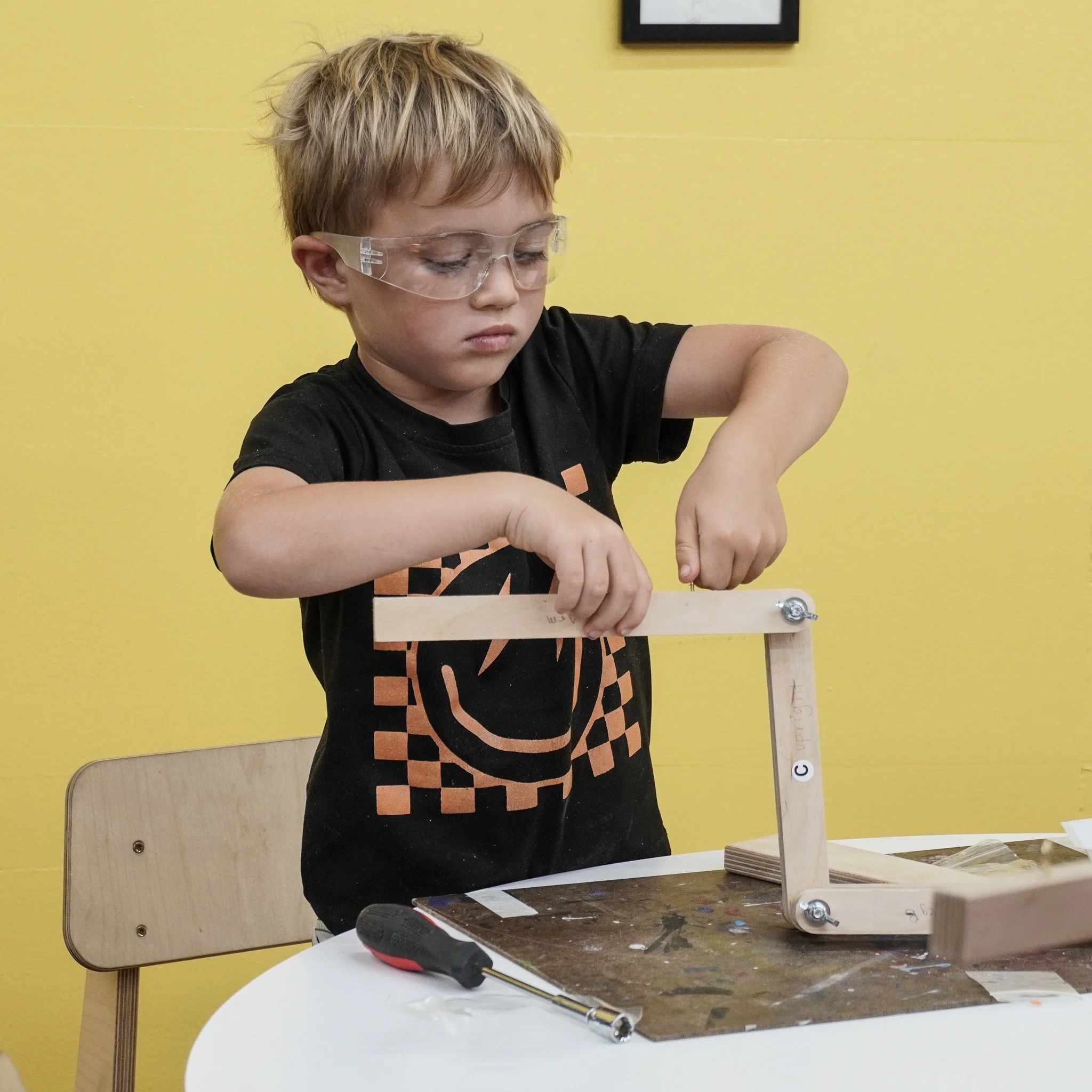
Most students are not exposed to career-connected learning until high school, and this is too late. This current timeline often fails to equip students with the knowledge, skills, and confidence necessary to navigate the world after graduation. This delay is evident in the lack of preparedness reported by graduating seniors.
A compelling survey in the 2025 report by YouScience found that a significant majority — nearly 72% — of high school graduates indicate that they feel inadequately prepared for post-graduation life, reporting only moderate, slight, or no preparedness at all. Starting career connected learning early on can help mitigate these feelings. These findings demonstrate the consequences of leaving off meaningful career exposure until the eleventh hour — or grade!
California currently has one of the widest income distribution gaps in the country. To respond to this need, California has funded learning opportunities all the way from transitional kindergarten to postsecondary education. California’s Master Plan For Career Education provides a framework to promote career readiness, emphasizing that degree attainment is not the only pathway to well-paid work. A coordinated, statewide effort is necessary to address the income gap. This effort must guarantee that all students, beginning in early grades, can access valuable, career-connected learning experiences.
What CCL Can Look Like in Elementary Afterschool
Since elementary students often do not experience formal career-connected learning during their standard day classes, after-school programs become an invaluable, dynamic setting for this exploration. While regular school day classes might expose students to careers through activities such as parent guest speakers, after-school time allows for deeper engagement and content interaction.
In elementary after-school programs, career connected learning often looks like fostering exploration and curiosity. Building career awareness in students while helping them explore their interests and strengths. Rather than confining students to a specific track, career connected learning in after-school programs broadens students horizons and ignites curiosity.
Career Exploration in Afterschool Might Look Like
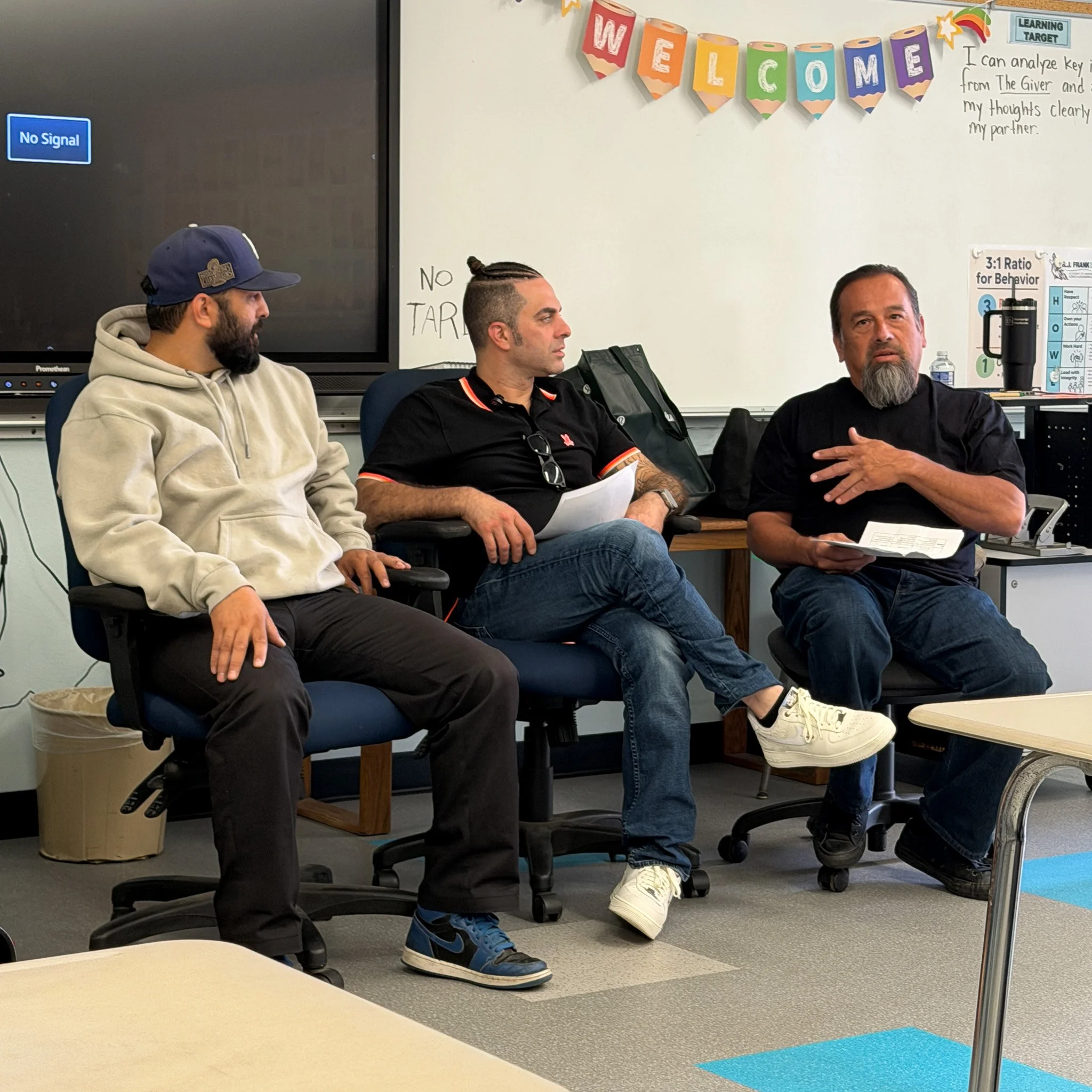
Exposure to Local Community: In after-school programs, students can get connected to opportunities in their local communities. School career fairs offer a chance for students to meet professionals face-to-face, ask questions, and learn about different job paths. Oxnard College has an Annual Job Fair where students can get connected to local employers and career paths. Field trips are another opportunity for students to visit workplaces, community centers, and local businesses. Students can get exposure to the behind the scenes of factories, their favorite restaurants, fire stations, and other local workplaces. This direct interaction helps make the concept of a "career" feel more real and attainable, sparking early interest in their own future roles within the community.
Project-Based Learning: Project-Based Learning (PBL) engages students in real-world projects that require critical thinking and collaboration. For a movie-making project, students can learn about storyboarding and editing, allowing students to develop narratives, manage creative production, and learn basic media skills. More tactile projects, such as sewing and woodworking, teach valuable trade and craftsmanship skills, patience, and the ability to follow detailed instructions to create a tangible product. PBL helps students see the practical application of their academic knowledge while building confidence in their ability to plan and execute complex tasks.
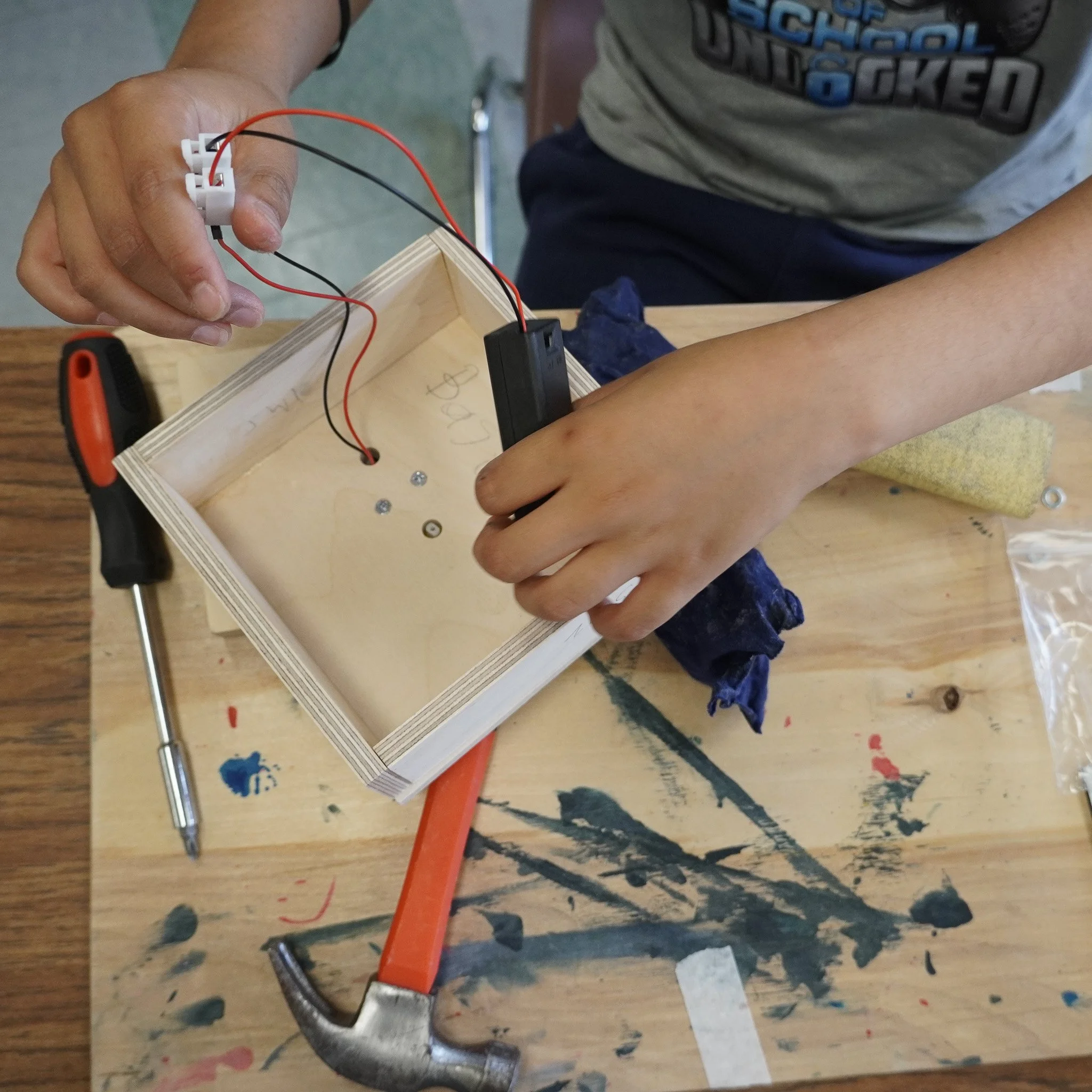
Skill Building: Skill Building focuses on the crucial development of soft skills and Social Emotional Learning (SEL), which are foundational for success in any career. These skills include effective communication, teamwork, conflict resolution, and self-management, all essential for positive interpersonal relationships. The curriculum is specifically designed to help students understand and manage their emotions, set and achieve goals, and demonstrate empathy for others. These competencies help prepare students not just for the workforce, but to be well-adjusted, responsible citizens who can effectively navigate the complexities of the modern world.
Career-Connected Learning (CCL) in elementary afterschool programs focuses on broad exploration, not early specialization or "tracking," allowing young learners to discover diverse careers and skill sets in a relaxed, low-stakes environment to foster curiosity. An effective CCL framework treats career exposure not as an isolated event, such as a single annual career day, but as an ongoing, continuous practice. This practice can be integrated regularly into after-school programs through sustained engagement with projects, guest speakers, site visits, and hands-on challenges, ensuring connections are built over time.
In elementary after-school settings, career-connected learning moves beyond traditional academics to provide dynamic, hands-on exploration that fosters both curiosity and confidence. Early intervention through CCL is crucial for breaking down stereotypes and closing opportunity gaps, helping students see the relevance of their academic studies and interests early on. By integrating career exposure, these programs empower young learners to envision more diverse future paths.
Here at Elemental Hardware Enrichment, we believe in the power of early career exploration. Check out our programs to learn more about our career-connected pathways.