
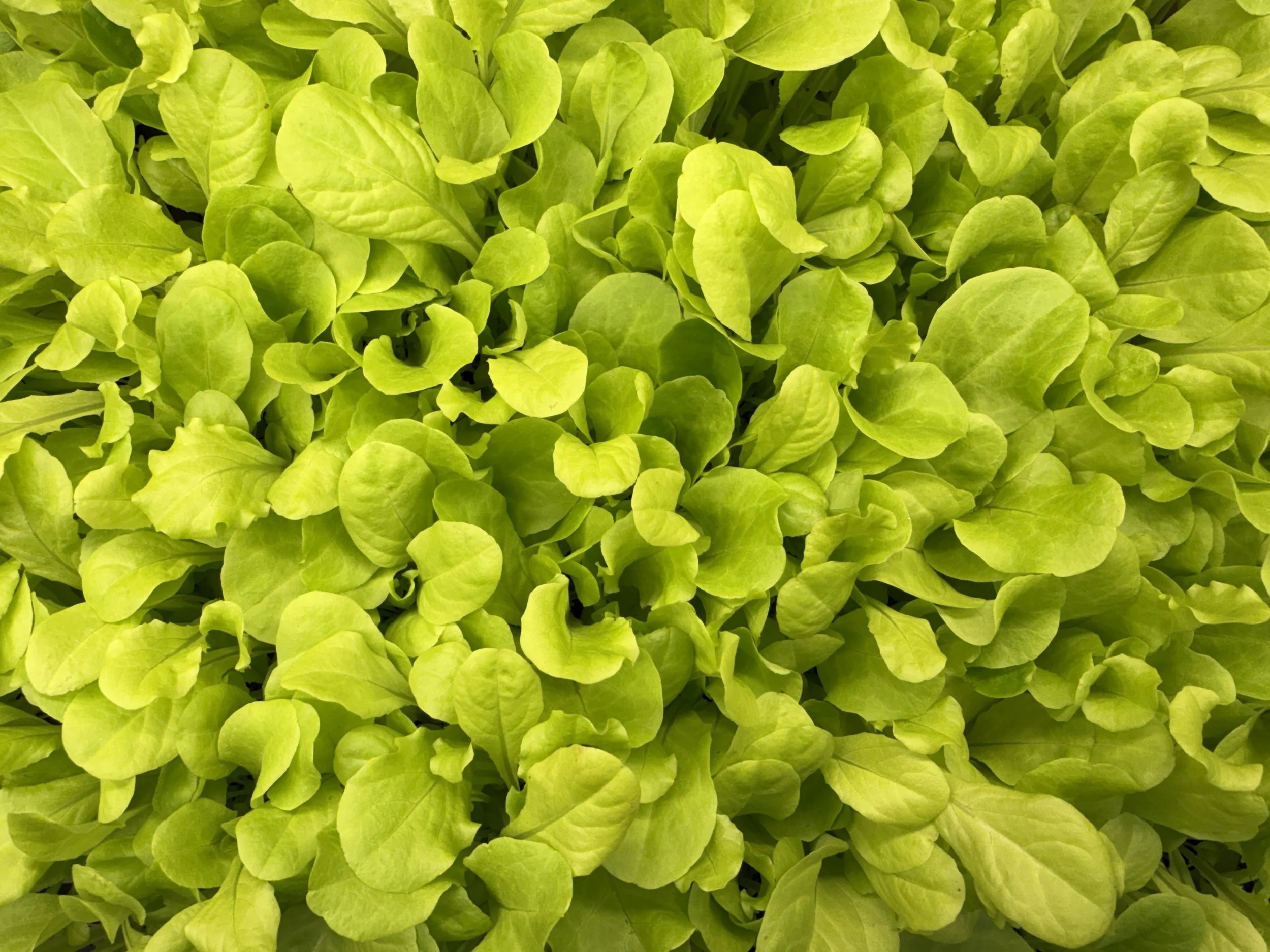
Leafy Greens
Students take responsibility for growing and comparing food across two distinct gardening methods — fast-growing microgreens and hydroponic lettuce. This hands-on, multi-week program puts students in the role of growers and scientists as they explore how different growing methods work and gain exposure to soil science.
Program Format
Grow-It-Yourself programs are designed to be flexible and can be adapted to fit a variety of schedules, age groups, and program needs, including condensed pilot formats that deliver core experiences and measurable student outcomes in as little as 2 - 4 weeks.
8 - 12 Classes
Program Duration
45 - 75 Minutes
Lesson Length
Gr 1 - 5
Typical Age Appropriateness
Student Experience
Students explore the science and art of growing food by running two parallel systems — planting microgreen Cilantro in soil and lettuce using the Kratky Hydroponic method. Each week, they’ll observe, tend to, and investigate how their plants are growing, culminating in two harvest and tasting experiences.
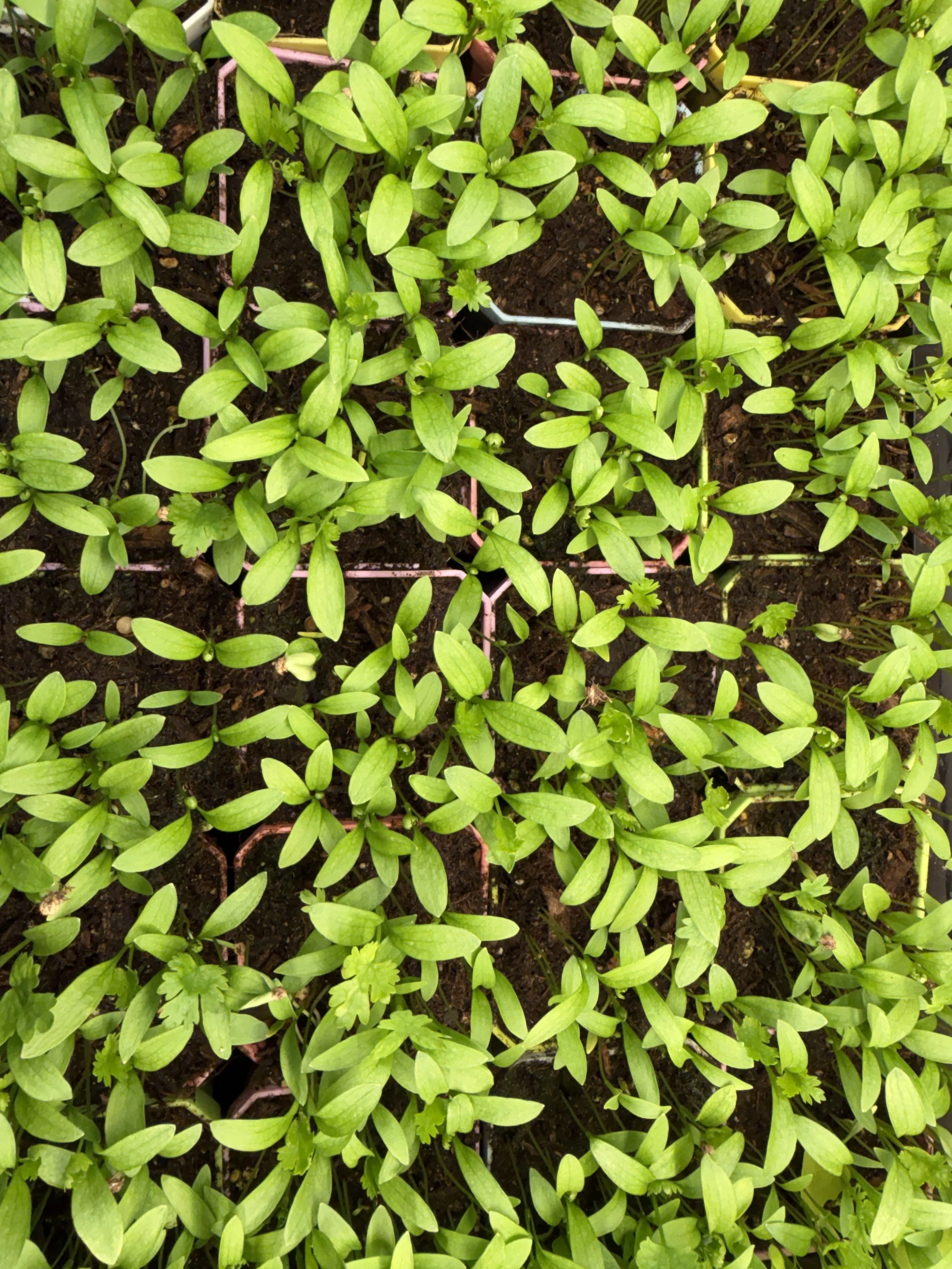
Program Introduction
Students learn what to expect in the program and differentiate between microgreens and adult plants, ending with personalizing their planting pots to create a sense of ownership as they continue their journey.
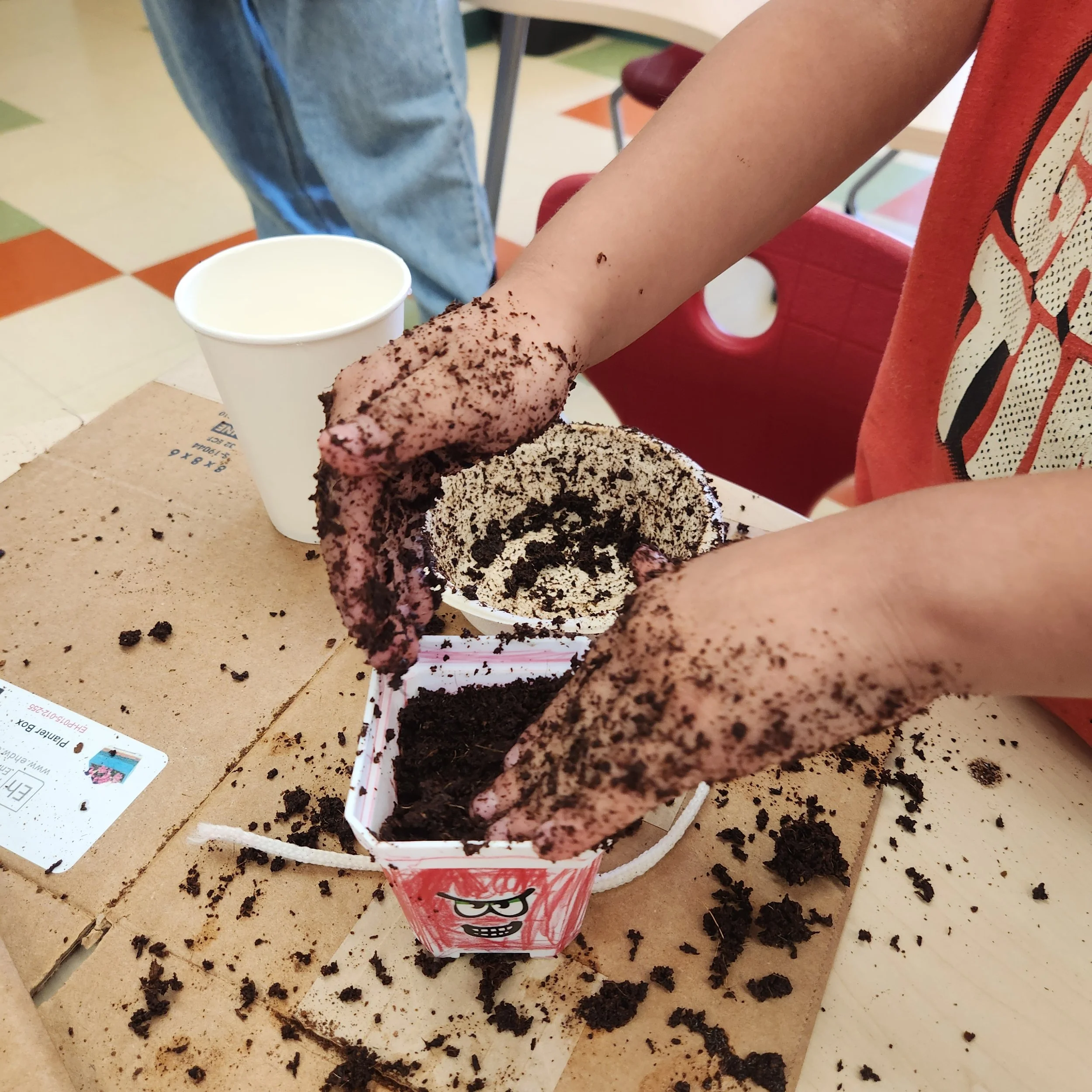
Planting Microgreens
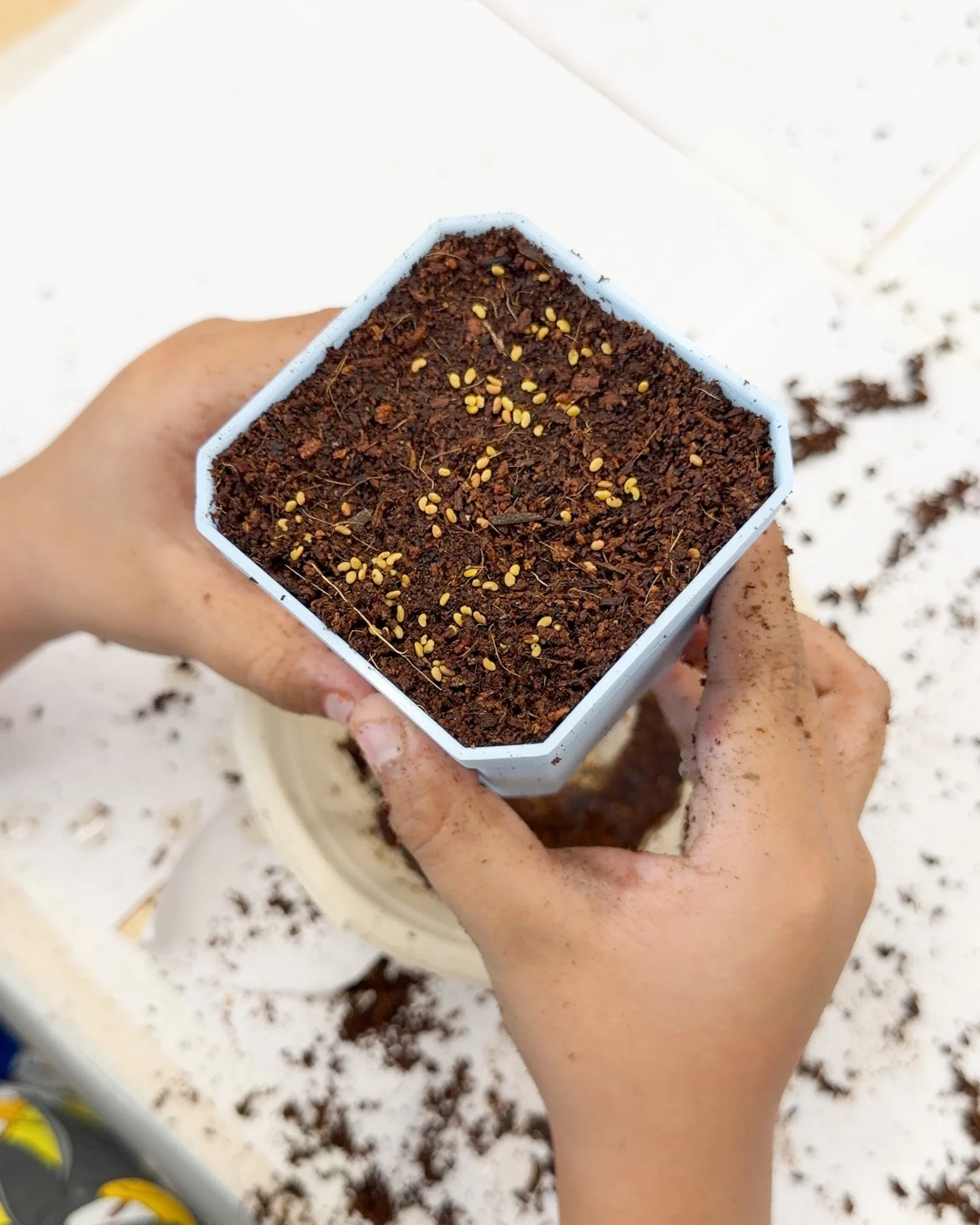
Students plant their microgreen Cilantro by exploring the soil, nutrient water, seeds, and Sun Station that begin the life cycle.
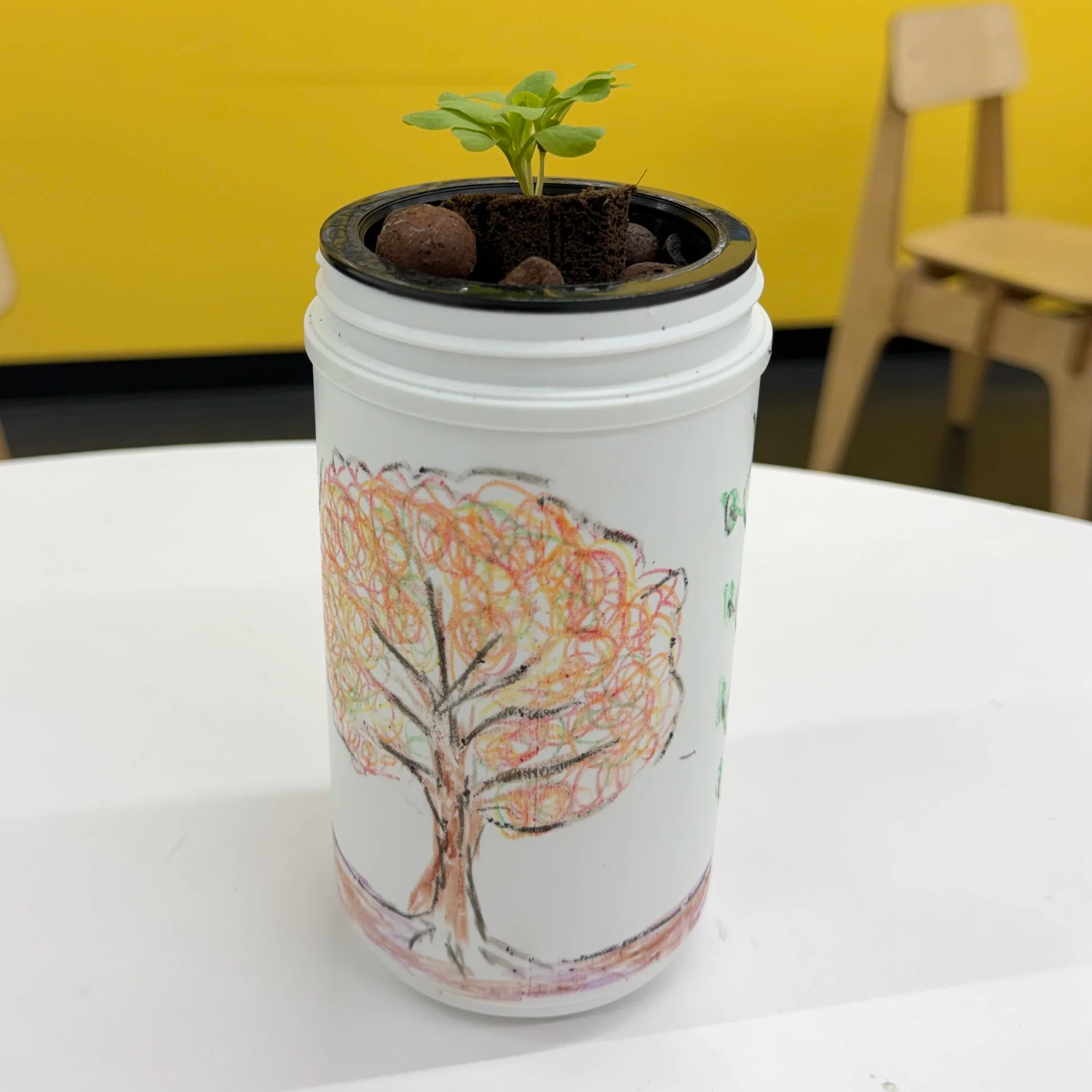
Kratky Hydroponics
Students discover a soil-free growing method by planting lettuce in Kratky grow jars filled with nutrient water. In preparing for their growing setup, students will learn how roots absorb water without soil and what to expect over the coming weeks for their plant’s growth.
Harvest & Cilantro Salsa
Students celebrate their first successful grow by harvesting their Cilantro microgreens and mixing a fresh cilantro salsa. Practicing safe food handling, students will have an opportunity to prepare, taste, and reflect on the full farm-to-table experience they grew themselves!
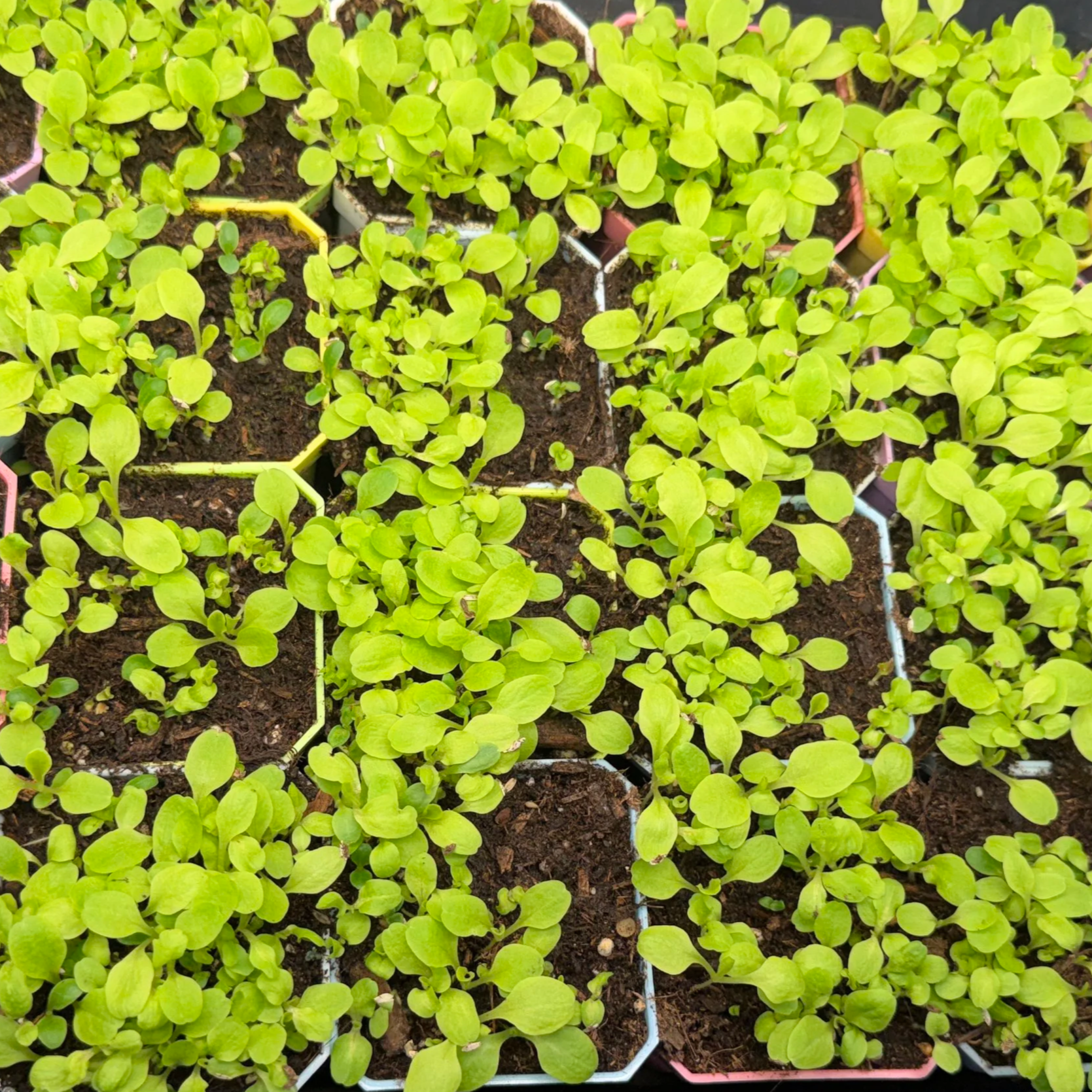
Baby Greens
Students plant a second round of greens, learning fundamental garden system design concepts to allow for proper spacing between plants and thinning techniques.
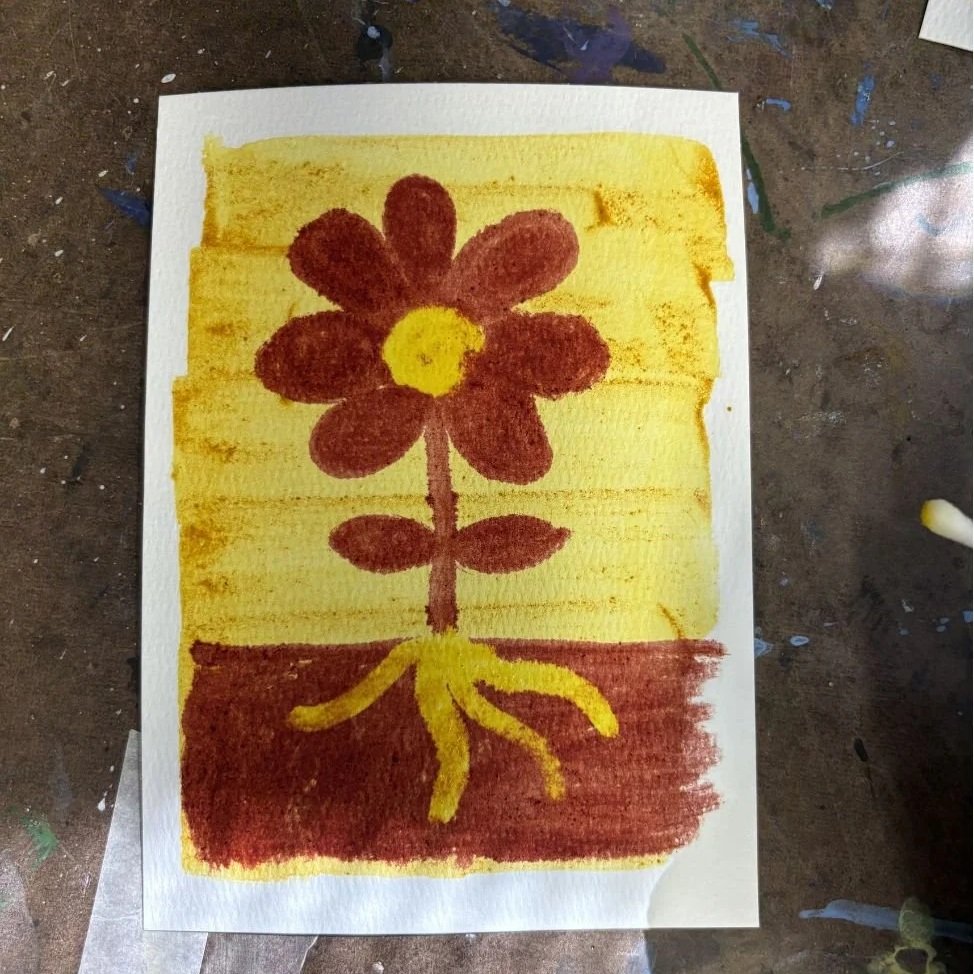
pH and Plants
Through a hands-on art project, students learn and see what pH means for plant health, identifying the Grow Zone (pH 5 - 7) and working with a tumeric and lemon juice mixture to paint science on a take-home watercolor card in real time.
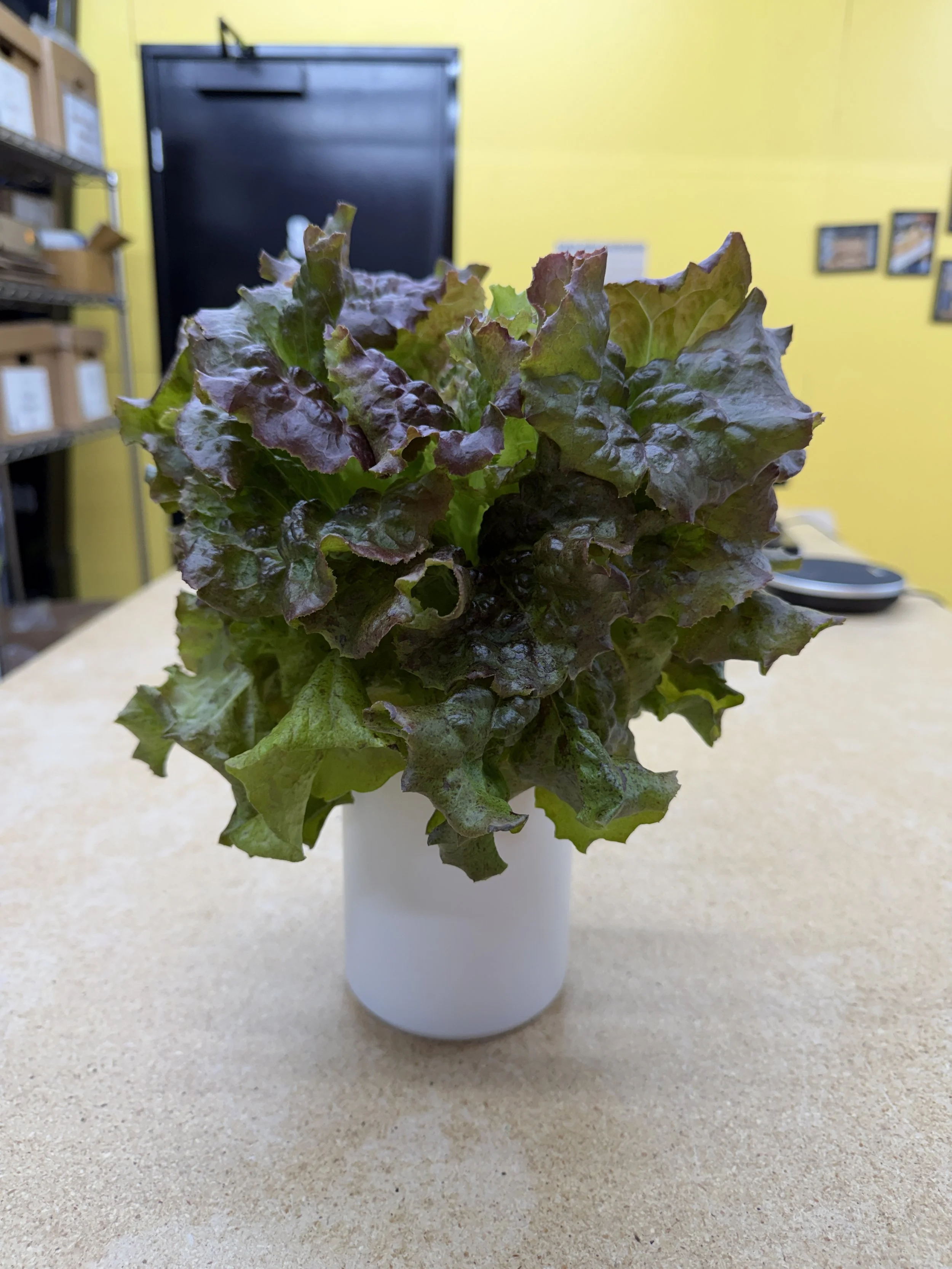
Growth Observations
Students examine leaves and roots to identify how healthy their plants are as they grow, putting observation and data into real practice.
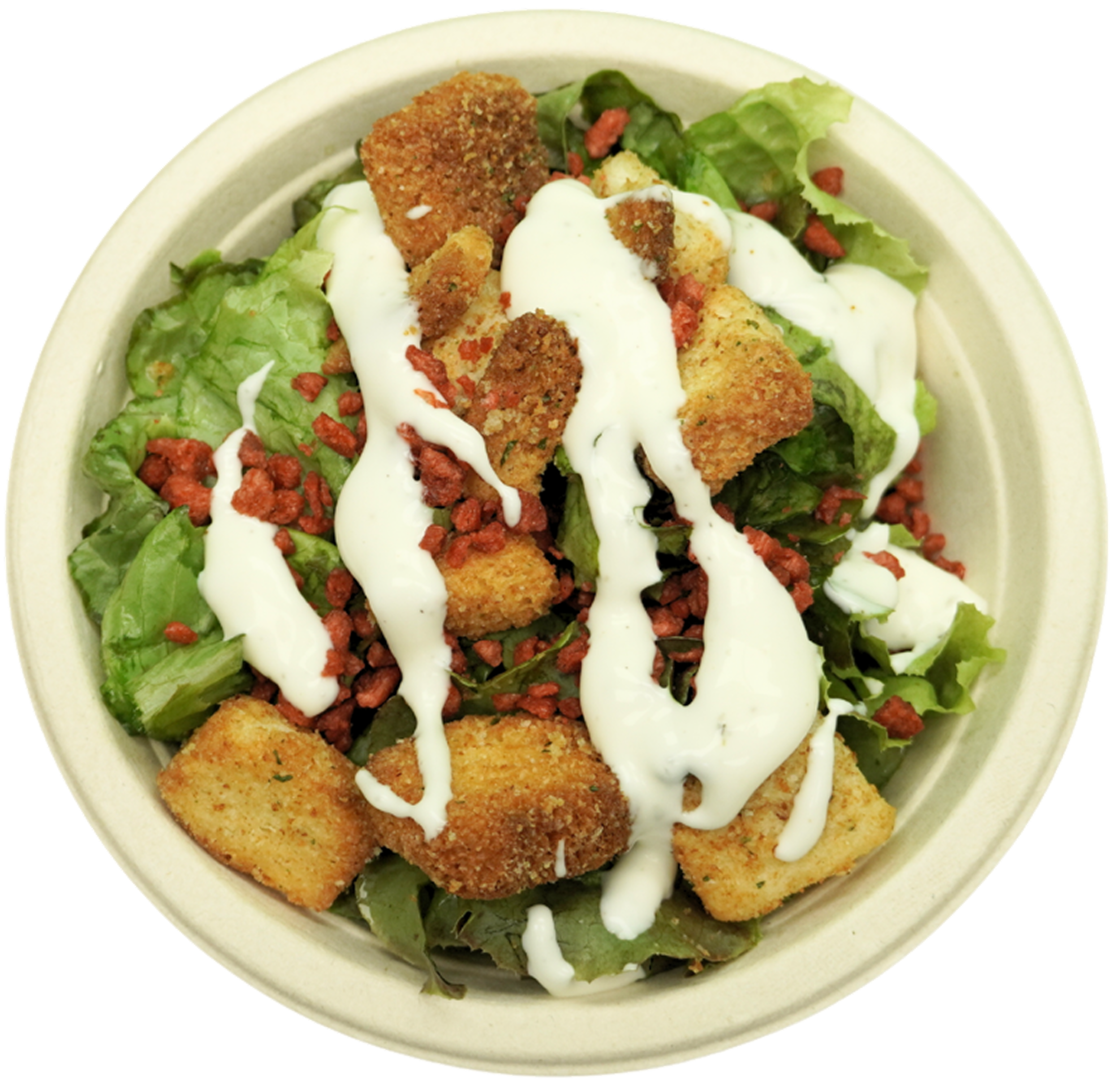
Harvest Salad
Salads taste so much better when you grow them yourself — at least that’s what students come to believe after this lesson! Both the hydroponic lettuce and Baby Greens are ready to harvest by this point so students can prepare and enjoy a salad together, practicing table setting and dining etiquette alongside all the safe food preparation skills they’ve been building throughout the program.
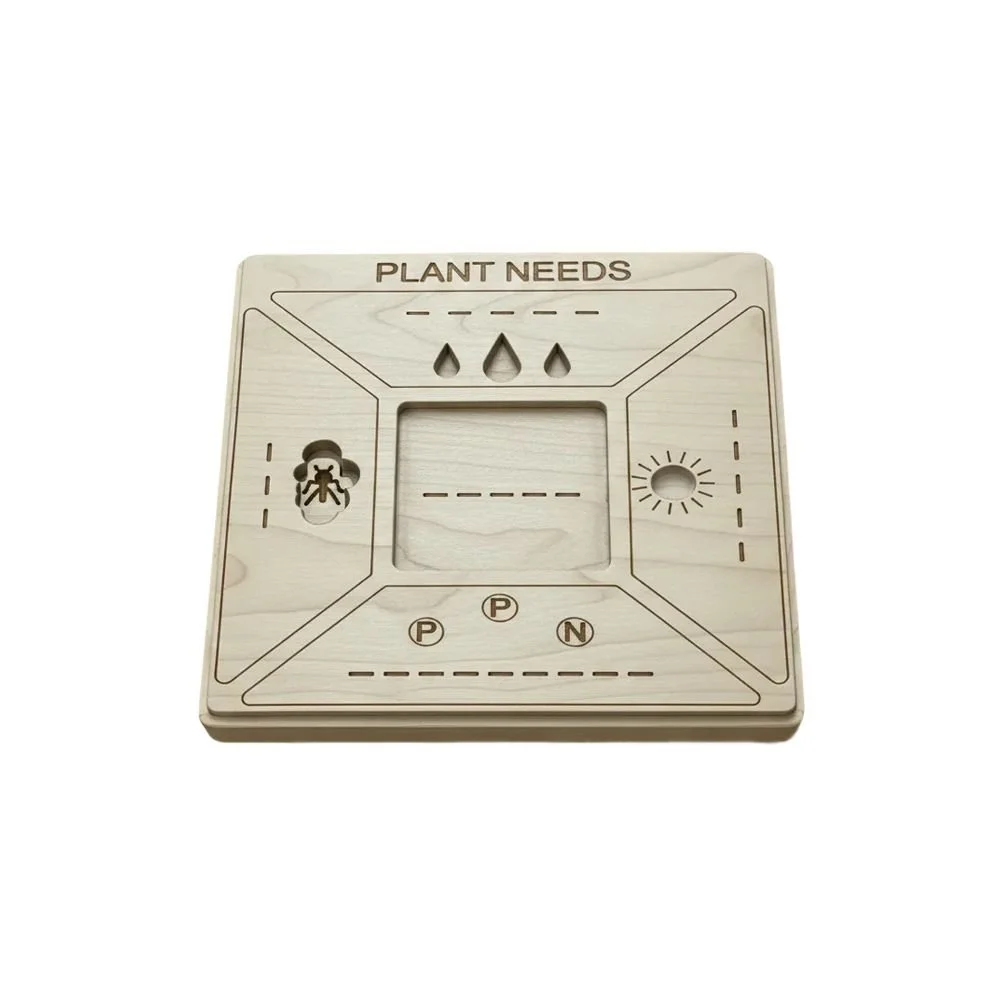
Plant Needs
As the program nears the end, students use their culminating knowledge about plants to identify the five elements every plant needs to survive — light, air, water, nutrients, and space. They reinforce their understanding of these plant needs by assembling and personalizing their own wooden plant needs puzzle to take home.
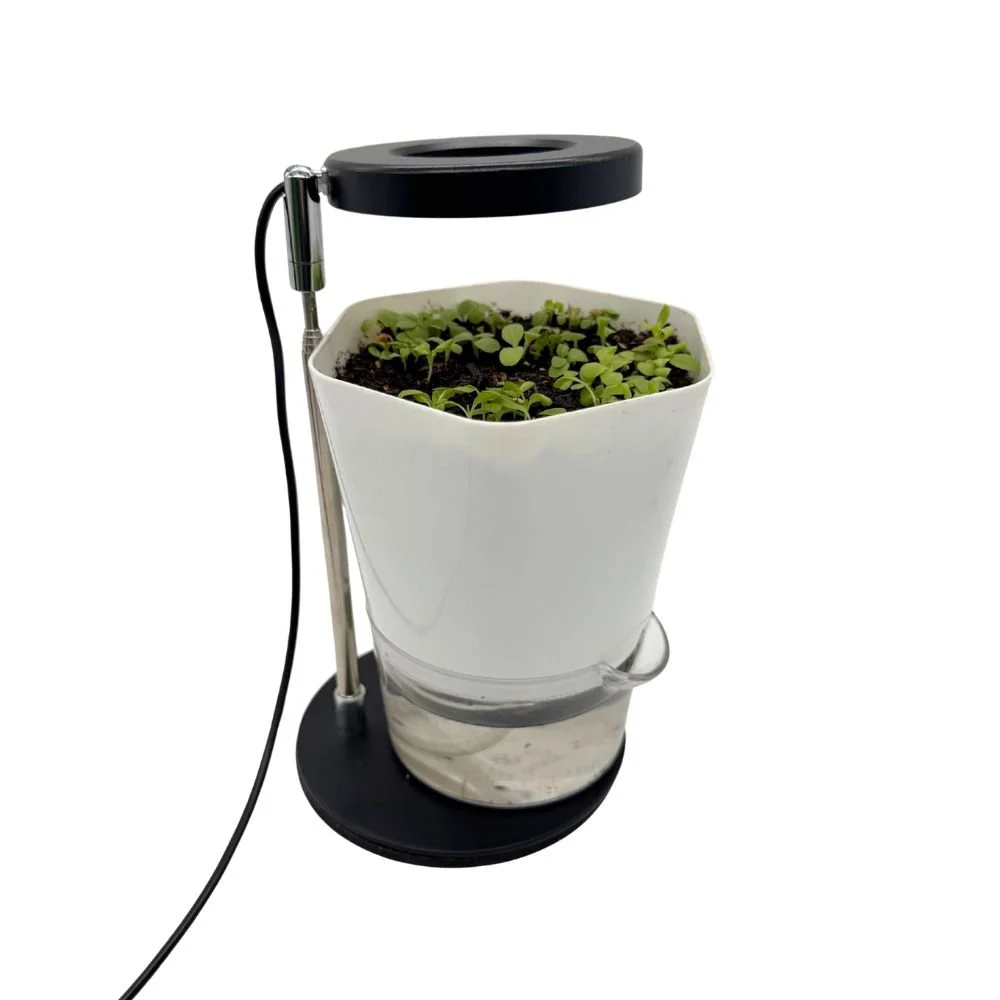
Take me Home
This is the essence of our programs — we want students to bring their skills and knowledge home and continue their practice with their families, so we give them their very own take-home grow kit and set them up for success.
Curriculum Standards Alignment
Life Science (NGSS)
|
Literacy (ELA)
|
Social-Emotional Learning
|
Math
|
Life Science (NGSS) | Literacy (ELA) | Social-Emotional Learning | Math |
Ready to bring Grow-It-Yourself to your students?
Get in touch and we’ll help you customize a program that fits your schedule and age group.
Key student take aways
Science & Systems-Thinking
🌱 Plant lifecycles and growth stages
⚙️ Soil vs hydroponic growing systems
🧪 pH testing and nutrient science
🧩 Cause & effect relationships in nature
Life & Social-Emotional Skills
⏸️ Patience
🤝 Responsibility
🌿 Ownership of results
🍽️ Food preparation and safe handling procedures
🫧 Cleanliness and materials management
-
This program goes beyond a single activity, lesson, and even the program duration itself. Students experience the full food system lifecycle to build a deeper connection to their environment and bring home high-quality projects and grow equipment to continue their practice.
-
This program works well in
Daily afterschool programs
Enrichment blocks
STEM or garden-based learning units
We offer direct instruction in certain regions and professional development & materials in others.
-
We provide everything needed to run this program from start to finish from materials and equipment for growing to food preparation items and curriculum.
Part of a growing program library
-
![]()
Microgreens
Early learners experience fast-sprouting microgreens to harvest and learn responsibility for living systems
-
![]()
Herbs & Flavor Lab
Students grow and care for a variety of herbs while experimenting with how they can be used in everyday meals and beverages
-
![]()
Soil & Compost Systems
Students build and manage compost systems to understand how organic matter breaks down and supports plant growth
Bring the Grow-It-Yourself Program to your school
Next steps:
Get in touch to schedule a call so we can discuss your needs
Customize a program with our team
Finalize a launch and evaluation plan
Our team manages all aspects of the implementation